
Picture this: a baby in headphones, channeling his inner radio announcer, sitting opposite the family dog in a state-of-the-art podcast studio. Yes, you read that right. Welcome to the latest sensation that’s sweeping the nation: the “talking baby podcast.” What’s on today’s agenda, you ask? “We’ll be talking to the weird-looking person who lives at my house,” declares the pint-sized host, a line so unexpected it could spark a bidding war among Hollywood screenwriters… if only they still knew how to write scripts.
This charming duo—powered by good old artificial intelligence and a sprinkle of creativity—has racked up millions of views online. With all the grandeur and sophistication of a high-budget Hollywood flick, except produced in a coffee break, it’s a delightful throwback to “Look Who’s Talking” but with much less budget and about three times the absurdity.
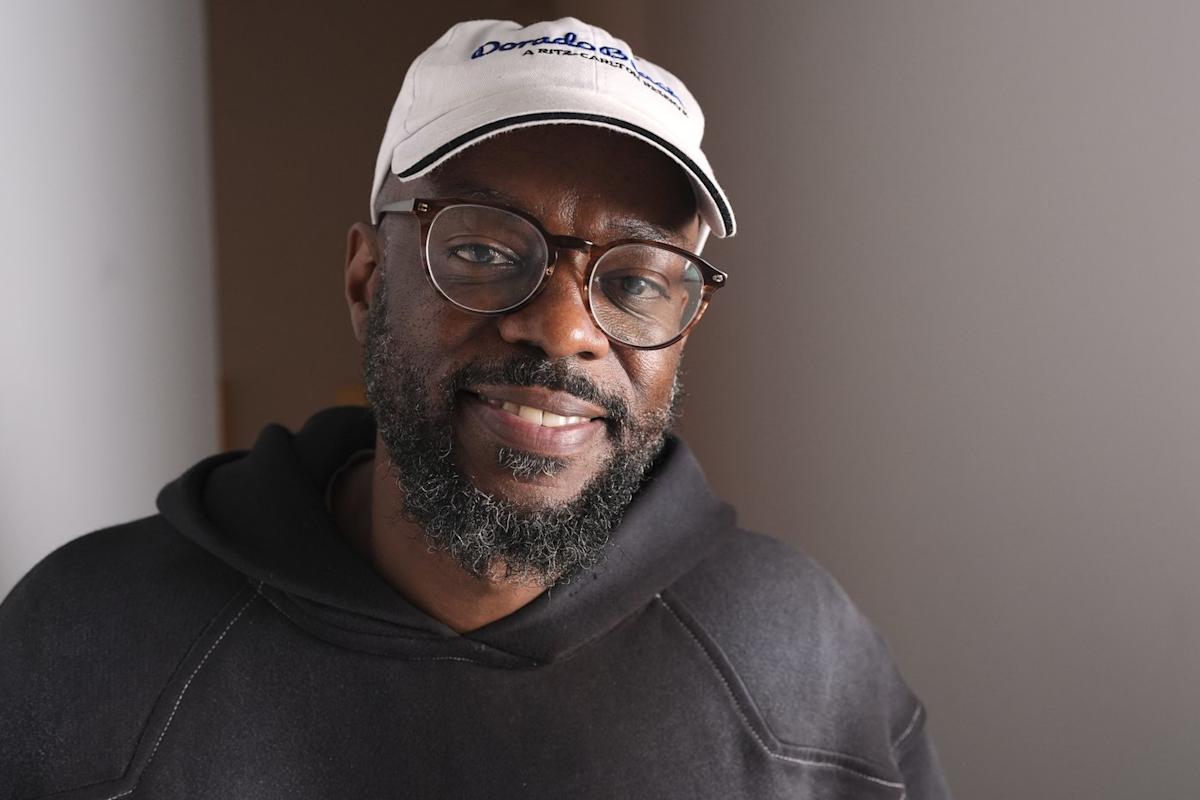
Now, before you let your imagination run wild thinking that AI is the next big comedic genius, let’s get one thing straight: it can’t crack a joke to save its digital life. Enter comedian Jon Lajoie, the brains behind these viral masterpieces, who reassures us with utmost confidence, “AI can’t do comedy. It’s like asking a toaster to program your entire Netflix queue.” Ouch. So, rest easy, fellow humans: your gig as the jester is safe… for now.
While Lajoie explores the fascinating crossroads of AI and humor, another entertainer, King Willonius, dives headfirst into the AI pool. He launched his career with an AI-generated song that poked fun at rapper Drake, quickly jumping onto the viral bandwagon with parodies that are as ridiculous as they are catchy. “I’m just trying to find the comedic angle,” he quips, turning his brainstorming sessions into award-worthy cinematic miracles—or at least, TikTok gold.
But let’s not kid ourselves: just because there’s a robot involved doesn’t mean it can tell a proper joke. Willonius learned the hard way that most chatbot-generated comedy is about as nuanced as a sledgehammer. In the words of comedy scholar Michelle Robinson, “AI might be fluent in joke grammar, but it’s missing that sprinkle of ‘edginess’ that makes us laugh.” So, you might want to keep that AI away from your stand-up routine unless you enjoy awkward silences.
As generative AI wades into the murky waters of comedy, it raises eyebrows and sparks debates among professionals. Sarah Silverman, for instance, isn’t about to let her memoir get auto-plagiarized; she’s in the ring suing AI chatbot makers for infringement. Meanwhile, Zelda Williams drummed up quite a storm over AI-generated deepfakes of her late father, saying we’re not here to churn out “hot dogs” from the lives of artists. I mean, nobody wants an Oscar-winning film to taste like bad deli meat, right?
Despite the controversy, it seems there’s a silver lining. Caleb Warren, a professor of consumer psychology, suggests that comedians might be able to ride the AI wave rather than drown in it. The human element still drives the humor, while AI takes care of the legwork. As Willonius himself put it, “AI tools made my creative dreams come true after the Hollywood wheel fell off.” And just like that, what was once a struggling comedian became a self-made AI visionary.
And while some comedians find AI more helpful than a warm cup of coffee, others, like Lajoie, remain skeptical. He’s taken a few early AI projects to friends who are staunchly anti-AI, only to surprise them when they realized his distinctive comedic voice shone through—even with a chatbot in the mix. “AI might produce something; it just can’t mimic my level of creative genius,” he said with a tongue-in-cheek flair. So, here’s hoping AI sticks to wigs and fantasy worlds and leaves the punchlines to the pros. Because let’s face it, folks: if we wanted robots to make us laugh, we’d just watch the kids’ corner of Pixar on loop.
Story Continues
