
Robert Crumb: The Oddball King of Modern Cartooning
When it comes to modern cartooning, Robert Crumb—or “R Crumb,” if you’re feeling particularly formal—stands as a colossus awash in a sea of eccentricities. Dan Nadel’s biography delivers the goods on both his artistic genius and his peculiarities, making it a must-read for anyone mildly curious about this odd character.
In the mainstream, Crumb is perhaps best recognized for that famously trippy cover art for the Big Brother and the Holding Company/Janis Joplin album Cheap Thrills—the one plastered over countless dorm room walls and the guilty pleasure of every trucker’s mudflap. But let’s not pigeonhole him. Crumb was the brilliant brain behind the underground comic movement of the ’60s and ’70s, not to mention the mastermind and cover artist of Zap Comix.
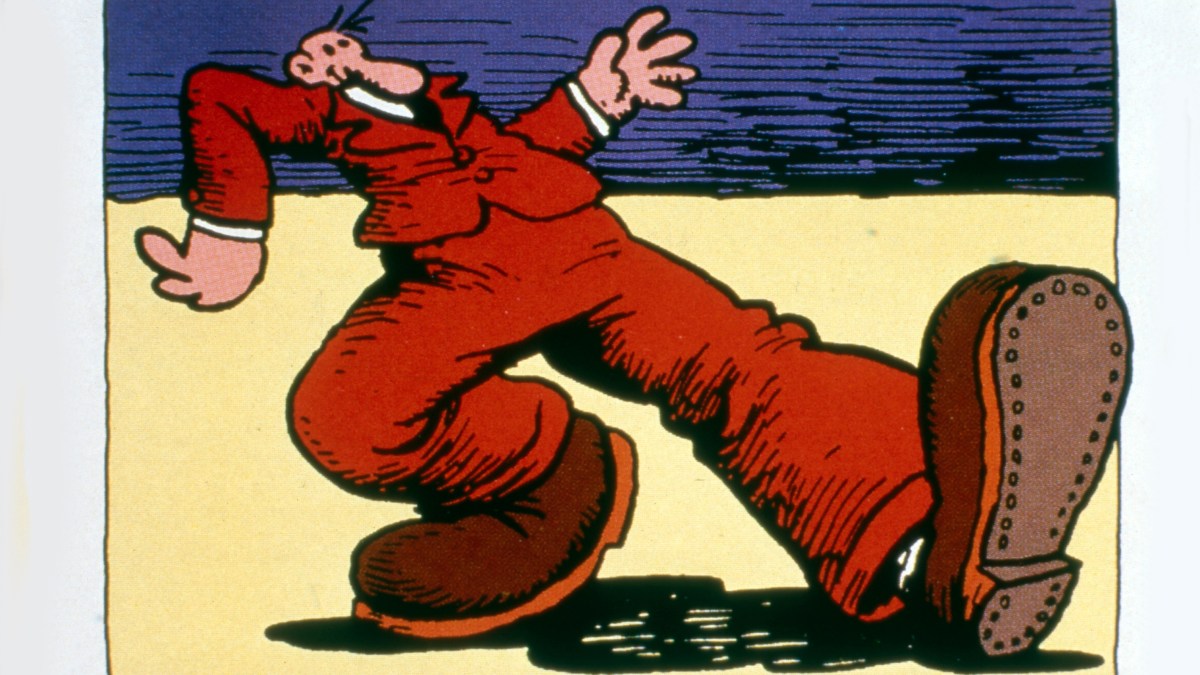
On his illustrative journey, Crumb ushered in a hallucinatory menagerie of bizarre and often risqué characters, all flawlessly rendered with his signature hatching technique. There’s Mr. Natural, the eternally stoned Snoid, Angelfood McSpade, Fritz the Cat, and Crumb himself—an unsettlingly lanky figure adorned with milk-bottle specs, writhing in a sea of anxieties and resentments. You know, just your average Tuesday for a cartoonist.
Crumb took lessons from legends like Harvey Kurtzman of Mad Magazine fame and Carl Barks, the undercover “good duck artist” responsible for the wildly popular Donald Duck comics. And let’s face it—without Crumb, we wouldn’t have today’s crop of cartoonists. No Crumb, no Art Spiegelman, no Chris Ware, no Daniel Clowes. According to Spiegelman, “It’s like a rite of passage; every cartoonist has to face Crumb. Encountering him is akin to a cosmic evolution scene—you pass through his lens to find your voice.”
Now, Crumb may be synonymous with ’60s counterculture, but he’s really more of a nostalgic time traveler, forever on a quest for the perfect pre-war vinyl record. His artistic lens often squinted at the past rather than the present, with anticorporate sentiments washed over by a relentless self-examination. It’s as if he thinks, “Why not reflect the chaos of the world by first diving into my own inner turmoil?”
Born in 1943 into a Philadelphia family whose drama could rival a soap opera, Crumb emerged from a backdrop of familial dysfunction rife with anger, violence, and more than a hint of madness. His beloved older brother, who initially sparked his comic aspirations, succumbed to mental illness and drug addiction, ultimately taking his own life. It’s shocking he clawed his way out of that chaos at all, but then again, neuroses can serve as great fodder for a creative career.
Let’s be real—Crumb is what today’s hipsters might call #problematic. His characters and comics often toe the line of appropriateness, with Angelfood McSpade, a hypersexualized caricature, leading the charge. Crumb’s early work even gallivanted through themes of rape as humorous subject matter. His defense? “Hey, I’m just holding up a mirror to society’s problem,” as if that tidies it up like a loose thread in a neglected sweater.
At the end of the day, Crumb manages to indict himself beautifully by baring his own prejudices and aspirations throughout his work. There’s one panel where he bows his head in utter shame during a tirade from an angry woman, her words barely legible in the speech bubble. “Not to be trusted,” it reads, while he whines, “I’ll be good, I promise!” with a thought bubble that’s decidedly unfit for polite company.
Despite all the chaos, Crumb found a way to enjoy a reasonably successful romantic life, albeit with a hefty side of drama. Much like a cartoon plotline, his first marriage fell apart under the weight of his neglect and immaturity. However, a long and mostly happy partnership with Aline Kominsky emerged from the ashes. When the ’70s courted him like a long-lost chapter, Crumb found himself stuck—he even admitted he felt like a washed-up cartoon has-been after being publicly mocked. Ouch.
Fast forward to the modern age, and Crumb’s artistry has somehow transitioned from the underground to the upper echelons of art, with his works fetching hefty sums as soon as he decided to take a step back. Yet, he still shuns the allure of cash. Crumb remains the childlike spirit in a money-driven world—having famously turned down $20,000 for Mr. Natural merch. I mean, who wouldn’t want their characters turned into plush toys?
As we reflect on this extraordinary life, it feels almost fitting that Nadel’s exploration of Crumb is stretched with both serious comic history and delightfully niche details that might only attract a hyper-focused reader. You know, the sort of details that could put anyone to sleep unless they accidentally stumbled upon Crumb’s timelessly quirky work in the process.
Now widowed, Crumb lives a quiet life in rural France, not opposed to sharing the warts-and-all saga of his existence. It took a bit of a trek for Nadel to even catch him for a convo—because, as any true artist knows, exposure is the real currency of life, even if money isn’t their motivation. Just another day in the whimsical world of Robert Crumb.
