

Meet Robert Crumb: Cartoonist Extraordinaire
Ah, Robert Crumb, or as his autograph might tell you, “R Crumb.” A name that sends shivers down the spine of both cartoon fans and unsuspecting onlookers alike. Dan Nadel’s comprehensive biography serves as your trusty guide, shining a light on Crumb’s towering presence in the world of modern cartooning and offering a glimpse into his peculiar mind.
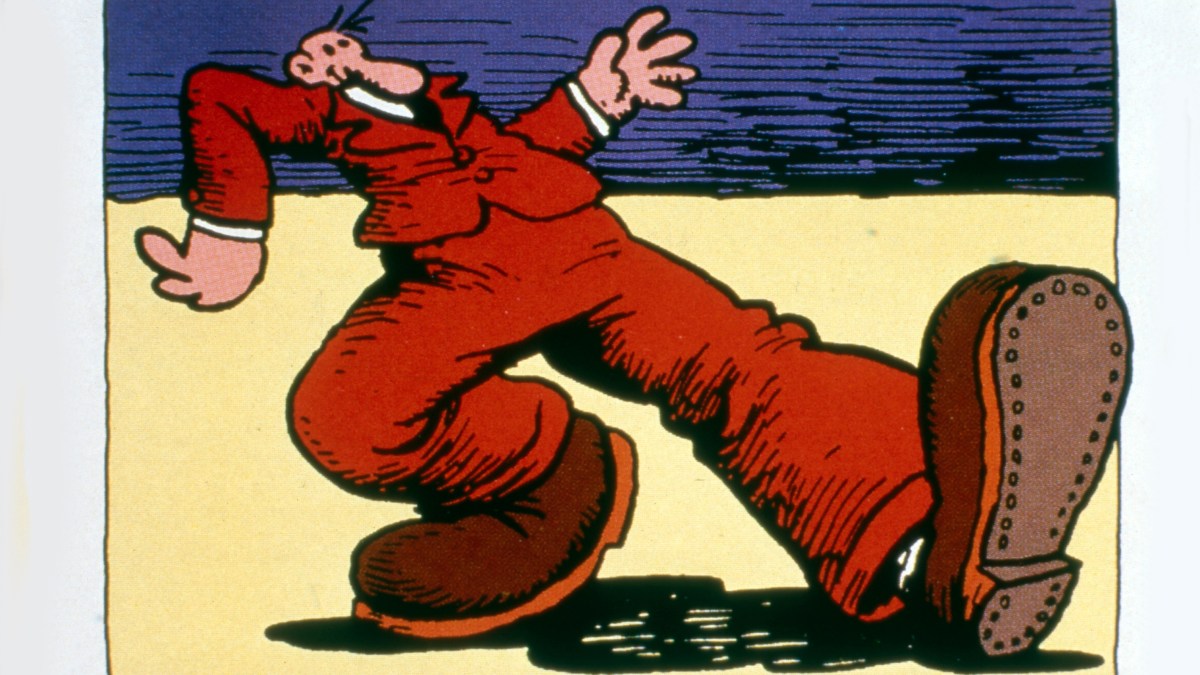
For ages, Crumb was the go-to guy for hipsters and dorm-room dwellers, thanks largely to his iconic cover art for the Big Brother and the Holding Company/Janis Joplin album Cheap Thrills. You know the one—full of elongated figures that seem to have taken one too many puffs of the magic smoke, right next to the catchphrase “Keep on Truckin’” that found a home on countless posters and trucker mudflaps. But that’s just the surface glitter; beneath lies the vibrant heart of the underground comic scene of the Sixties and Seventies, where Crumb was the master puppeteer of absurdity.
With a mind baked in LSD and a drawer full of provocative characters, Crumb gifted us a pantheon ranging from the philosophically scabrous Mr. Natural to the cynically lovable Fritz the Cat. The star of this odd show? None other than the lanky ectomorph himself, R Crumb—ever the personification of angst and neuroses, donning those gigantic milk-bottle specs. Just your average creator with issues, right?
Crumb learned the ropes from the likes of Harvey Kurtzman—the anarchic wizard behind Mad—and Carl Barks, the “good duck artist” (because, let’s face it, “Donald Duck’s Creator” doesn’t have the same ring). Crumb, in turn, has influenced a battalion of cartoonists: Art Spiegelman, Chris Ware, Joe Sacco, Daniel Clowes—you name it. Spiegelman sums it up perfectly: “Every cartoonist has to pass through Crumb,” much like a rite of passage, minus the ceremonial robes and awkward dancing.
Now, let’s talk about the man himself. Sure, he was an icon of the Sixties counterculture, but Crumb has always been a bit more of a Dickensian character than a flower child. This is a man whose idea of a good time involves collecting old 78rpm records—because, you know, vinyl never truly dies. Political views? Sure, he’s anticorporate, but let’s focus on his introspection—an endless self-scrutinizer wrapped in ink and addiction.
Born in 1943 in the gritty urban charm of Philadelphia, Crumb’s upbringing resembled a soap opera mixed with a horror flick. Picture this: family drama filled with violence, addiction, and even, gasp, incest. Crumb’s older brother, with whom he shared his first comic escapades, didn’t fare much better and succumbed to his demons in 1992. It’s a miracle Robert made it out relatively unscathed. Neurotic? Absolutely. But isn’t that what fuels creativity?
Now, call him what you will, but Crumb is definitely what today’s kids might label as #problematic. From hyper-eroticized caricatures to casually played-at-rape antics in his comics, the man certainly pushed buttons on a grand scale. His defense? “Hey, don’t blame me! I’m just a mirror reflecting the glorious mess of reality.” Talk about self-awareness with a side of irony!
Uttering truths without a safety net, Crumb often shows himself grappling with his inadequacies—like that time a woman called him out with all the flair of a soap box preacher while he cowered, wishing he had opted for a more heroic persona. His sexual escapades have their own peculiar light: a fascination with strong legs and inappropriate piggyback rides—something that presents quite the awkward twist when viewed through today’s lens.
Fast-forward through decades of ups, downs, and a slew of rejected offers that would make any artist cringe. Crumb turned down exorbitant pay for projects he loathed, which leads us to conclude he must have been raised by monks—no monetary ambitions, just pure artistic stubbornness. And now? He’s living the quiet life in rural France, trading in his illustrious career for a patch of land that doesn’t require him to sign any contracts.
Curious about Crumb? Pick up Crumb: A Cartoonist’s Life by Dan Nadel and dive deep into the chaotic world of a man who’s equal parts genius and enigma—a true master of cartoon chaos. The book’s not just for the die-hard comics fans but for anyone who loves a good story about an oddly relatable artist navigating the absurdity of life.
