

In the vast and colorful universe of modern cartooning, Robert Crumb—or “R. Crumb” for those in the know—stands out as both a titan and a delightful oddball. Dan Nadel’s meticulously crafted biography is the treasure map you need to traverse the peculiar landscape of Crumb’s life and work.
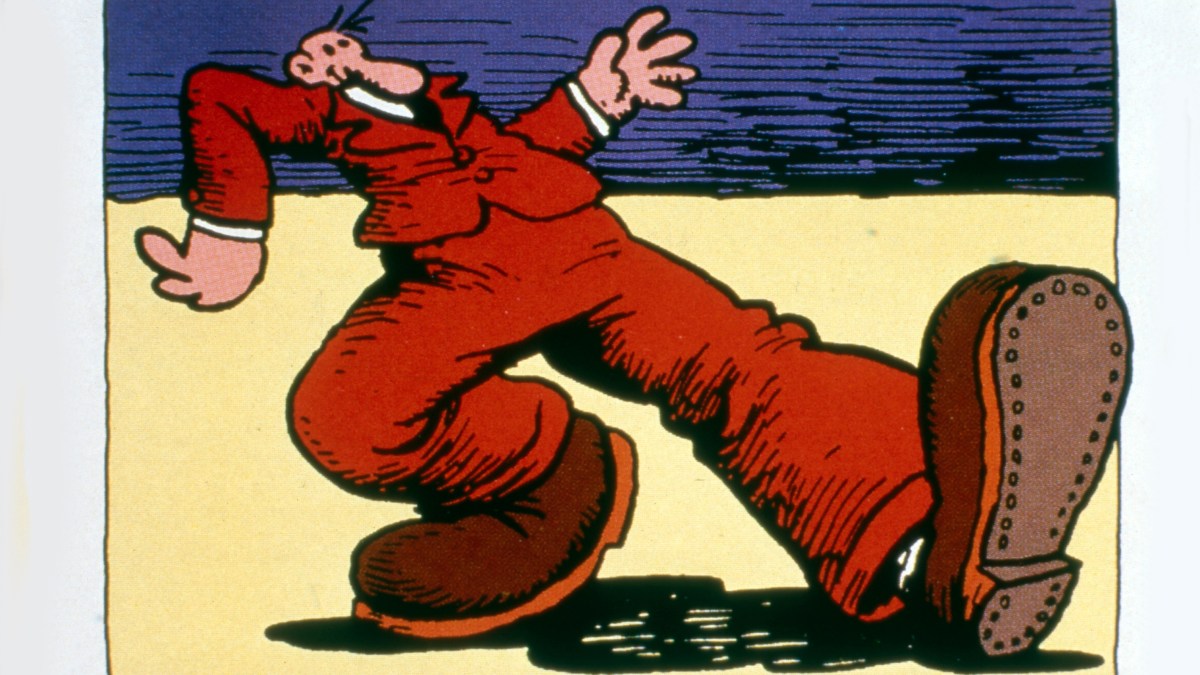
For ages, Crumb was mainly recognized in polite society for his infamous cover illustration of the Cheap Thrills album by Big Brother and the Holding Company, featuring Janis Joplin. You know the one: those uncanny, whimsically elongated figures sporting the now iconic “Keep on Truckin’” slogan that seemed to inexplicably adorn everything from college dorms to long-haul trucker mudflaps. But don’t be fooled; this was merely a sliver of his genius. Crumb was, after all, the avant-garde maestro behind Zap Comix, leading the underground comic revolution of the Sixties and Seventies with unrestrained flair.
Crumb’s LSD-infused imagination birthed an unforgettable roster of characters: Mr. Natural, the Snoid, Angelfood McSpade, Fritz the Cat, and most notably, a twisted reflection of himself—R. Crumb, a lanky figure with the kind of glasses you’d expect on an anxious librarian. These creations radiate a bizarre charm, straddling the line between absurdity and philosophical musing, all with Crumb’s signature hatching style. His characters were not just created; they were unleashed—raw, lustful, and philosophically grotesque, perfectly capturing his fractured psyche.
Influenced by the likes of Harvey Kurtzman from Mad magazine and the unsung hero of Donald Duck fame, Carl Barks (known to young Crumb as “the good duck artist”), Crumb became a mentor in his own right. As Nadel asserts, a world without Robert Crumb would be devoid of icons like Art Spiegelman, Chris Ware, and Daniel Clowes. Spiegelman famously quipped that every cartoonist must confront Crumb, as if passing through a surreal evolutionary portal to discover their own voice.
However, while Crumb epitomized the counterculture of the Sixties, his spirit is less about rebellion and more about nostalgia. His obsession with collecting old 78rpm records is telling. His art harkens back to a simpler time—those quaint 19th and early 20th centuries! Crumb’s political views can be described as anticorporate, but don’t be deceived; his critique often finds its way back to a relentless self-examination.
Born in 1943 to a lower-middle-class family in Philadelphia, the Crumb household was a bubbling cauldron of dysfunction—think anger, violence, addiction, and even a dash of incest for flavor. Tragically, the older brother with whom he began this whimsical journey of cartooning succumbed to mental health struggles and drug abuse, leaving Crumb with a miraculously convoluted legacy of neuroses that undeniably fueled his artistic endeavors.
But let’s not mince words; Crumb’s oeuvre is, to put it mildly, “problematic.” Characters like Angelfood McSpade resemble hyper-sexualized caricatures, and the less-than-savory portrayal of women and racial dynamics raises more eyebrows than a bad facial waxing. A standout gem was his 1968 comic snippet “Jail Bait of the Month” featuring a 13-year-old. Crumb’s defense? He merely reflects societal ills, not creates them. It’s as if Crumb is the accidental mirror to a culture that was all but too willing to grin back.
In the grand tapestry of Crumb’s life, we find a curious mix of audacity and integrity. Widowed and enjoying his golden years in rural France, he once famously downplayed his worth by turning down hefty offers for his iconic characters because, you see, art is priceless—at least until the taxman comes knocking. Nadel’s biography, while laden with minutiae that would make an accountant blush (we’re talking print runs and ink types), captures the essence of a man reluctant to be commodified. And isn’t that both a sad and hilariously ironic twist in the full-bodied narrative of the legendary Robert Crumb?
