
Meet Robert Crumb: Cartooning’s Eccentric Legend
Ah, Robert Crumb, or as the cool kids call him, “R Crumb.” This man is a titan in the cartooning world and, quite frankly, an enigma wrapped in quirks. Dan Nadel’s meticulously detailed biography gives us everything we need to decode the puzzle that is Crumb — if we dare.
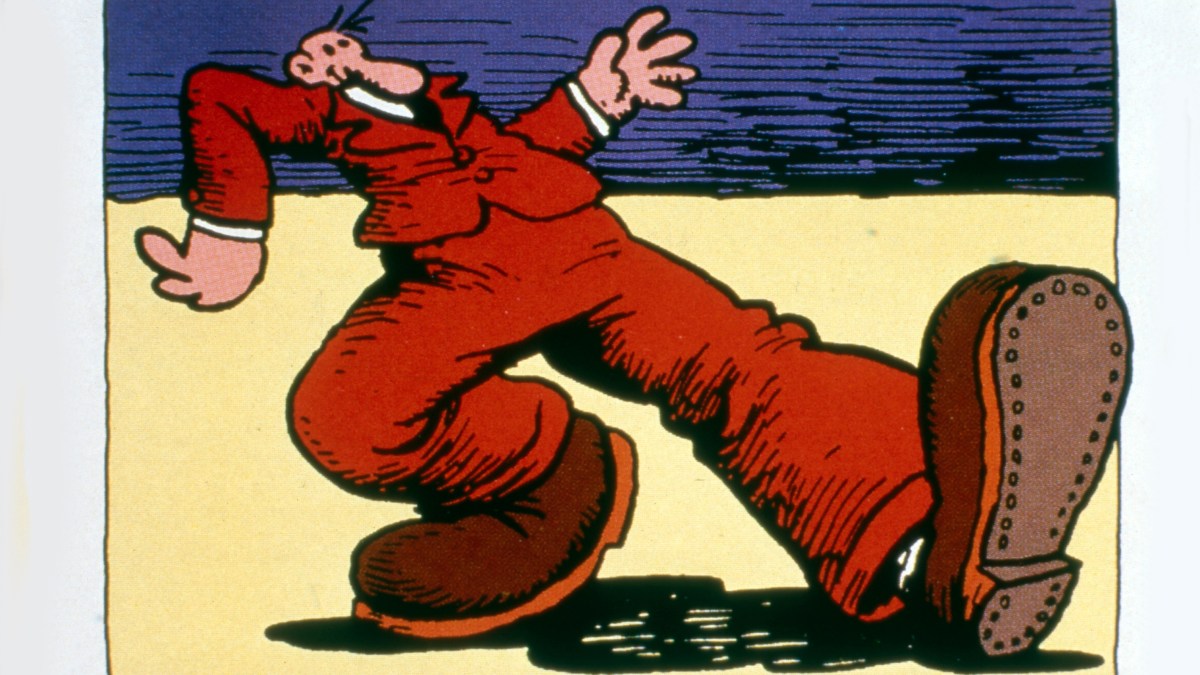
For ages, Crumb was that legendary artist you had on a poster in your dorm: the mind-bending cover of Cheap Thrills by Big Brother and the Holding Company, featuring a joyfully stoned crowd, and that slogan, “Keep on Truckin’” splashed across countless mudflaps and posters. Sure, that catapulted him into mainstream visibility, but let’s not kid ourselves — he was the P. Diddy of underground comics in the Sixties and Seventies, serving as the founder and cover artist of Zap Comix. Talk about a resume!
From his spacey LSD-fueled musings sprang a delightful menagerie of absurd characters: Mr. Natural, the Snoid, Fritz the Cat — you name it! All depicted with his soon-to-be instantly recognizable hatching style. Let’s not forget his pièce de résistance, R Crumb himself: a lanky, awkward figure in awkward glasses, overflowing with neuroses. Think of him as the personification of all those awkward moments we’ve had, now immortalized on paper.
Crumb honed his craft under the likes of Harvey Kurtzman from Mad magazine and Carl Barks, who secretly gave us the hilarious antics of Donald Duck. But it’s all a lovely circle; as Dan Nadel argues, every big guy in comics today owes a shout-out (or maybe a thank-you note) to Crumb. No Crumb, no Art Spiegelman, no Chris Ware, no Daniel Clowes — none of them. Spiegelman once said that encountering Crumb is a bit like a dramatic scene from 2001: A Space Odyssey, where evolution gets a speed boost. You must pass through Crumb to discover your creative voice, or at the very least, your ironic cringe response.
Despite being an icon of the Sixties counterculture, Crumb had his own peculiar backward glance. His heart beats in a sepia-toned world filled with old 78rpm records — because nothing says “free spirit” like a vinyl addiction. What’s politics to him, you ask? Oh, he’s broadly anti-corporate, but let’s be real: self-examination is Crumb’s jam. His introspective existential crises are always more interesting than any corporate shenanigans he might critique.
This man’s backstory is like a Shakespearean tragedy laced with a dash of comic absurdity. Born in 1943 to a lackluster family in Philadelphia, he grew up amidst a raging storm of dysfunction — think anger, addiction, and even incest mixed into the domestic blender. It’s a miracle he turned out even remotely functional. There’s Crumb, sitting in his corner, a bundle of neuroses waiting to spill into his comic creations, reflecting the chaos that surrounds him. Go figure!
Now let’s wade into Crumb’s brand of “problematic” humor. Meet Angelfood McSpade, a caricature that makes today’s eyebrows raise. Crumb didn’t invent racial stereotypes or misogynistic laughter; he merely channelled them, like a reluctant medium at a bad séance. Yet, it’s clear he grapples with the societal shadows of yesteryear, revealing the not-so-pretty sides of his psyche in the process.
Oh, did I mention Crumb’s assorted sexual exploits? It’s a wonder he didn’t end up being #metoo’d. Amidst the chaos, he managed to have a string of romantic successes and flops, and even if he botched his first marriage and neglected his son, at least he had fun along the way! His spirited partnership with Aline Kominsky was filled with exploration — mostly of the not-so-innocent kind.
As we leap into his later years, it’s charming to see how he weathered the storm of emerged counterculture criticism. Turning into a grumpy grandpa figure was inevitable when critics mocked him; Casually killing off his beloved Mr. Natural was perhaps his !ultimate act of artistic rebellion. It’s like putting your childhood teddy bear through a fire just to show them you’ve evolved.
In retirement, Crumb may not be drawing as much, but he’s coasting atop the wealth of nostalgia he built through stubbornness. You know, stuff like turning down $20,000 for Mr. Natural cuddly toys because money doesn’t matter, and why would he want to grace the Rolling Stones? Ah, the monk-like integrity we all aspire to, yet only he can effectively flaunt while wearing a cape of ironic absurdity.
Now, as a reclusive figure living in rural France, Crumb gives off an air of the reluctant sage. Nadel’s effort to unravel this layered character is no small feat; it took months of love and care to unearth the man behind the myth. It’s a story worth diving into, whether you’re a die-hard comic fan or just in for the wild ride.
Crumb: A Cartoonist’s Life by Dan Nadel (Scribner £25 pp458). Order it now to explore a quirky, messy portrait of a man who dared to color outside the lines — and then maybe engage in some introspection about it.
