

Meet Robert Crumb: The Oddball of Modern Cartooning
Robert Crumb, or as he’s whimsically known in the cartooning cosmos, “R Crumb,” is less a mere mortal and more a cartooning deity—albeit a peculiar one. His biography, crafted with meticulous care by Dan Nadel, serves as both a map and a magnifying glass into the labyrinthine psyche of this extraordinary character.
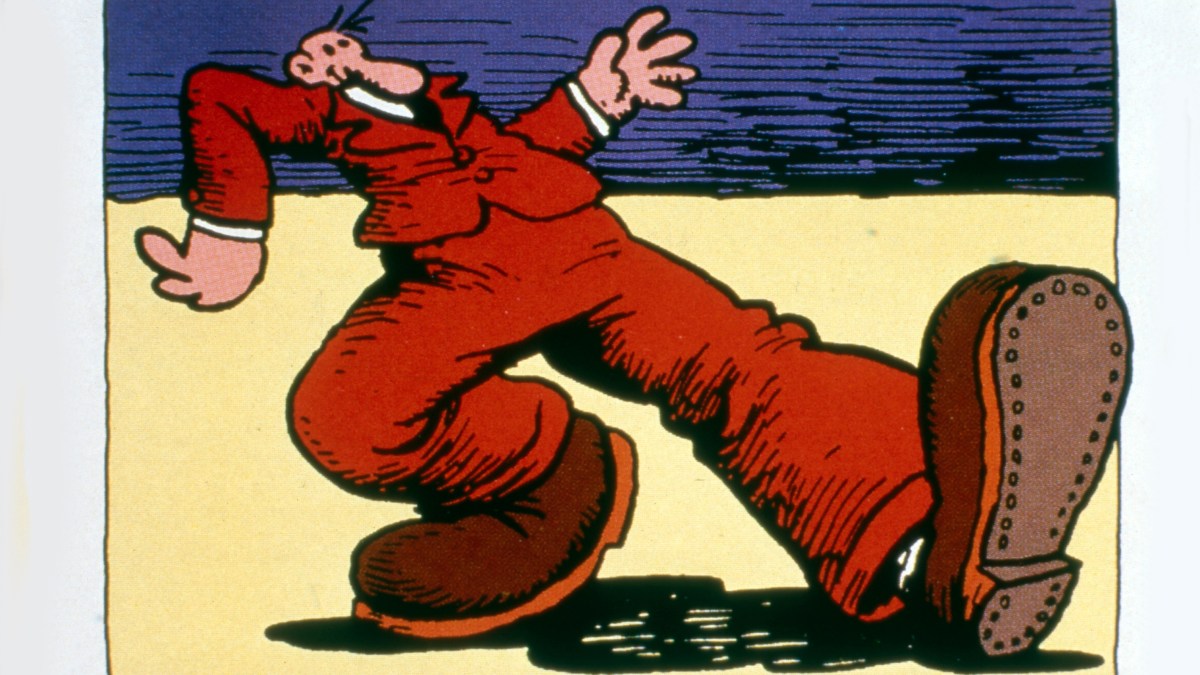
For many outside the comic book scene, Crumb’s greatest claim to fame was gracing the cover of the Janis Joplin album Cheap Thrills—a gem that turned dorm rooms into art exhibits and 18-wheelers into mobile galleries adorned with stoned figures under the iconic “Keep on Truckin’” slogan. However, this was merely a teaser; he was the mastermind behind the underground comic movement of the Sixties and Seventies, as well as the founder and artistic heart of Zap Comix.
Crumb’s colorful creations include an LSD-infused array of bizarre yet profoundly human characters, brought to life through his instantly recognizable hatching style. We’ve been introduced to Mr. Natural, the Snoid, Angelfood McSpade, and Fritz the Cat—each more absurd than the last, with their bizarre escapades colored by Crumb’s most notorious and existential creation: himself. Picture this lanky ectomorph with milk-bottle specs, a proverbial fountain of neuroses and anxieties just waiting to spill over onto the page.
Once mentored by the legendary Harvey Kurtzman, the anarchic brains behind Mad magazine, and inspired by the so-called “good duck artist” Carl Barks, Crumb effectively became a cartooning cornerstone. As Art Spiegelman, creator of Maus, succinctly puts it, “Every cartoonist has to pass through Crumb.” It’s as if encountering him is an artistic rite of passage, an evolutionary leap akin to the scene in 2001: A Space Odyssey—a surreal and transformative experience that leaves you questioning your creative essence.
Though often lauded as a Sixties counterculture icon, Crumb’s perspective was steeped in nostalgia rather than rebellion. He fills his work with echoes from the past, fueled by his obsession with collecting old 78rpm shellac records. His politics might be broadly anticorporate, but let’s be honest; self-examination and personal flaws often take center stage in his narratives.
Born in 1943 into a delightfully dysfunctional lower-middle-class family in Philadelphia—think of a Shakespearean tragedy but with more comic strips—Crumb navigated a world rife with violence, addiction, and the kind of family drama best left to daytime soap operas. His older brother, a fellow artist, tragically succumbed to the family curse, and Robert’s escape into cartooning was nothing short of miraculous—a prime example of turning existential angst into artistic fuel.
Now, here comes the real kicker: Crumb is, without a doubt, what today’s culture would deem #problematic. Characters like Angelfood McSpade fit snugly into a cozy racial stereotype, and early comics that indulged in laughable rape culture… let’s just say they haven’t aged gracefully. But Crumb, along with Nadel, defends his work as a mere reflection of the cultural landscape rather than a catalyst for it. It’s a slippery slope, folks.
Where others might find jail time or the wrath of the #MeToo movement lurking just around the corner, Crumb enjoyed a surprising amount of sexual success—mostly due to his unyielding charisma, if such a thing can be said. His first marriage? A real page-turner that eventually unraveled, though he did manage to neglect his son with remarkable aplomb. Then along came Aline Kominsky, and voilà—an unorthodox romance that lasted nearly as long as some sitcoms.
As the Seventies rolled along and countercultural bells began to toll for Crumb, he grappled with creatively escaping the artistic perils of his past. Turns out even cartoonists need to reinvent themselves now and then. When punk rock blared into existence, he embraced its raw energy but was almost punctured when a fanzine declared his work “tired.” Talk about a critique that could deflate an ego faster than a balloon at a kid’s birthday party. He even went so far as to “kill off” his Mr. Natural character—a classic case of cartoon existential crisis.
Today, in a bizarre twist of fate, Crumb’s works are seeing a resurgence in monetary value, just as he’s thrumming the brakes on his creative output. Ironically, he was never in it for the money—he might as well have been a monk in cartoonist’s clothing. Despite being low on cash at times (even landing him in dire straits with the taxman), he often spurned lucrative offers, like a $20,000 deal for Mr. Natural plush toys—his creative pride outweighing all fiscal incentives.
Nadel, with the precision of a seasoned cryptographer, digs into this intricate narrative, filled with both comic industry trivia and personal anecdotes. Wading through the murky waters of print runs, sales figures, and the precise tools Crumb used to carve his bizarre aesthetic, one cannot help but emerge with a deeper understanding of the man himself, not just the legends.
Now a widow in his ninth decade residing in rural France, Crumb seems to have traded American chaos for French tranquility. When Nadel undertook the effort to portray him honestly, Crumb’s nonchalant response displayed the humor only an icon of peculiarities could deliver: “I’m not opposed to it.” Getting that shrug took a saga of travel, highlighting just how elusive our cartooning luminary has become.
Crumb: A Cartoonist’s Life by Dan Nadel (Scribner £25 pp458) is more than a biography; it’s a trip through the wild, wonderful world of modern cartooning. Grab your copy today—it may not change your life, but it will definitely keep you entertained.
