
Ah, Robert Crumb, or as he prefers to be known when he’s signing checks, “R Crumb.” A luminary in the world of modern cartooning and, let’s face it, a bit of a peculiar fellow. Dan Nadel’s exhaustive biography is like the ultimate guide to Crumb—equal parts hero worship and a reminder that he’s definitely not your average guy.
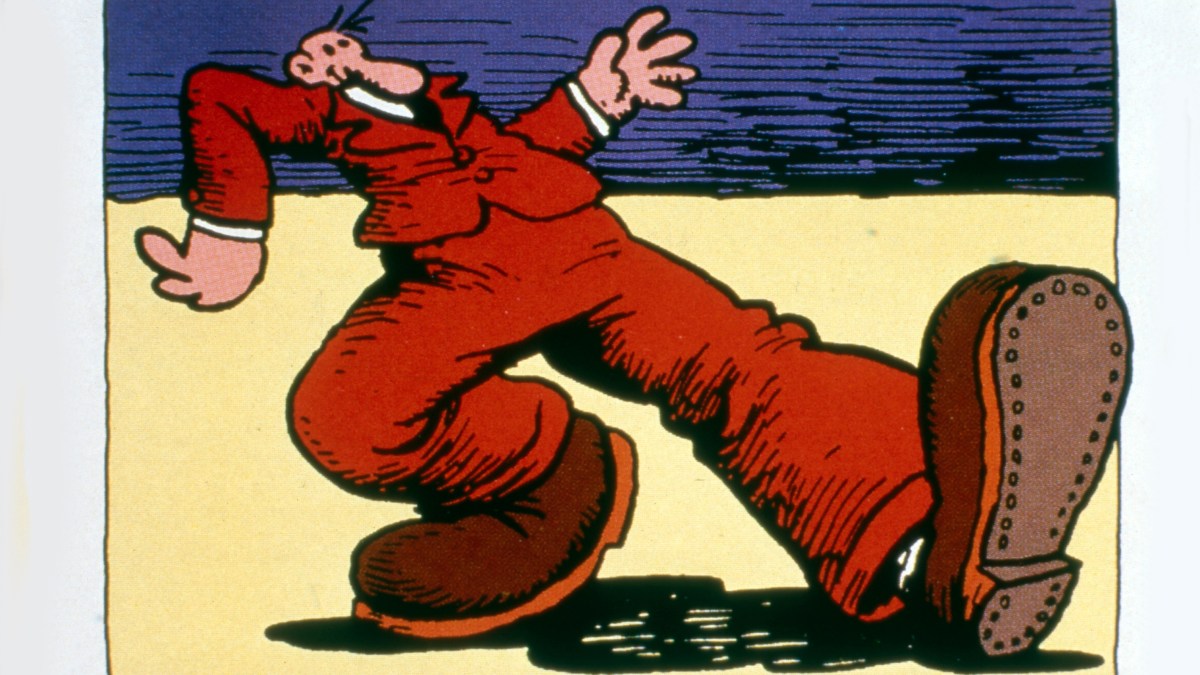
For ages, Crumb was primarily recognized by the mainstream for his colorful illustration on the cover of the Big Brother and the Holding Company album Cheap Thrills—a psychedelic masterpiece that found its way onto countless dorm-room walls and hopelessly optimistic trucker mudflaps. But that’s merely surface-level stuff; he was really the grandmaster behind underground comics during the Sixties and Seventies, and the brains behind the weird and wonderful Zap Comix.
Through his work, Crumb introduced a trippy universe filled with characters who might make Freud question his life choices—like the outlandishly absurd Mr. Natural and the memorable Fritz the Cat. Each character sprang to life from his distinctive hatching style, a visual fingerprint that screams “I’m art, but it’s complicated!” Yet his most personal and haunting creation remains the lanky R Crumb himself—a walking sack of neuroses packed tightly into those iconic milk-bottle glasses.
Crumb molded his style under the titans of comic artistry—Harvey Kurtzman, the rogue genius of Mad magazine, and Carl Barks, the famed covert creator of Donald Duck comics. And the legacy? Well, if you take Nadel’s word for it, without Crumb, there’d be no Art Spiegelman, no Chris Ware, no Daniel Clowes—basically, no comics as we know them today. Spiegelman himself quips, “Every cartoonist has to pass through Crumb,” likening the encounter to an accelerated evolution scene in 2001: A Space Odyssey—profound, right?
Despite being an icon of the Sixties counterculture, Crumb is anything but a mindless flower child; instead, he’s more of a comic-book time traveler with a penchant for collecting ancient 78rpm shellac records. His artistic vision hearkens back to the 19th and early 20th centuries, making him less a product of the era and more an eccentric historian in disguise. His politics may lean toward the anticorporate, but for Crumb, the real narrative has always been a brutally honest examination of himself (and boy, does he do a number on himself).
Born in 1943, nestled deep in the chaos of a Philadelphia lower-middle-class household, Crumb’s upbringing was a soap opera of dysfunction—think familial anger, addiction, and a side of incest, just for flavor. His beloved older brother, a fellow cartoonist, never quite escaped this storm; tragically, he succumbed to suicide in 1992 after a long battle with addiction. It’s miraculous that Robert emerged at all—and even more astounding that he used his bundle of neuroses to fuel a prolific career in cartooning.
Now, let’s address the elephant-sized, problematic issues in Crumb’s work. Characters like Angelfood McSpade are cringe-worthy, to say the least, with their hyper-eroticized, racial caricatures. And yes, early comics had questionable portrayals—like that charming segment titled “Jail Bait of the Month, featuring Honey Bunch Kaminski, age 13.” Crumb and Nadel’s stance? They claim to merely reflect the world around them, not create it. Now, that’s a sticky moral high ground to navigate on a slippery comic strip.
Crumb’s self-portraits often ridicule his own entanglements—revealing a cringe-worthy honesty in his lusts and prejudices. One panel features him getting scolded by a woman, her words blurring into illegibility. It’s like a humorous confession that hits you harder than a truck filled with ‘Keep on Truckin” mudflaps. He’s a mix of self-deprecation and accountability sprinkled with that uniquely Crumb humor. He’s not merely the creator; he’s also the flawed protagonist in his own comedic saga.
And the cherry on top? While dodging the wrath of #MeToo and avoiding jail time for his antics, he somehow found considerable romantic success, albeit not without his fair share of calamities. His first marriage fizzled, his parenting skills could use a bit of TLC, yet he did manage to maintain a loving partnership with Aline Kominsky. It’s a story worthy of its own comic strip, if only to capture the sheer absurdity of it all.
By the time the Seventies rolled in, Crumb was feeling the creative squeeze as the cultural revolution that celebrated him began to fade away. He grappled with a shift in style, trying to shed the flamboyance of the Sixties and adapt a more somber realist approach. Yet in typical unexpected Crumb fashion, he emerged from a state of creative disarray revitalized by punk culture—only to get burned when a fanzine dissed his work as outdated. His response? Offing his beloved Mr. Natural and lamenting the end of his career, like a jaded artist preparing to retire for good.
In this modern age, Crumb’s art finally started to earn him serious bucks—just around the time he decided to stop producing it. But for him, cash was never the goal. It’s noted he had a “monk-like” demeanor regarding finances, turning down lucrative offers because they didn’t align with his artistic integrity—like $20,000 for Mr. Natural toys and a fat paycheck from the Rolling Stones because he couldn’t stand their music. Talk about dedication!
So here’s the punchline: Crumb, now in his golden years in rural France, remains a fascinating enigma. His self-acceptance is almost refreshing, shrugging off Nadel’s portrait request with a casual “I’m not opposed to it.” It’s almost as if he knows we’re all just characters in one of his zany comic strips, navigating the absurd—and that’s enough of a reason to celebrate him.
