
Robert Crumb: An Eccentric Legacy
Ah, Robert Crumb—known informally as “R Crumb,” a legend in the cartooning world and a man whose quirks could fill a library—or perhaps a few therapist’s offices. Dan Nadel’s biography is a meticulous portrayal that delves into both his remarkable talent and his remarkable oddness. If you’ve ever wondered what happens when a cartoonist grows up in a chaotic family, the answer is—pay attention, it’s a doozy.
For years, people outside the underground comic circles recognized Crumb thanks to his iconic cover art for Janis Joplin’s *Cheap Thrills*. You know, the one where everyone looks perpetually stoned and somehow more elongated than an IKEA instruction manual. And while those illustrations adorned everything from dorm-room walls to tractor trailer mudflaps, they barely scratched the surface of Crumb’s contributions. He was, after all, the creative force behind *Zap Comix*, which, dare I say, were far more than mere comics—they were a lifestyle.
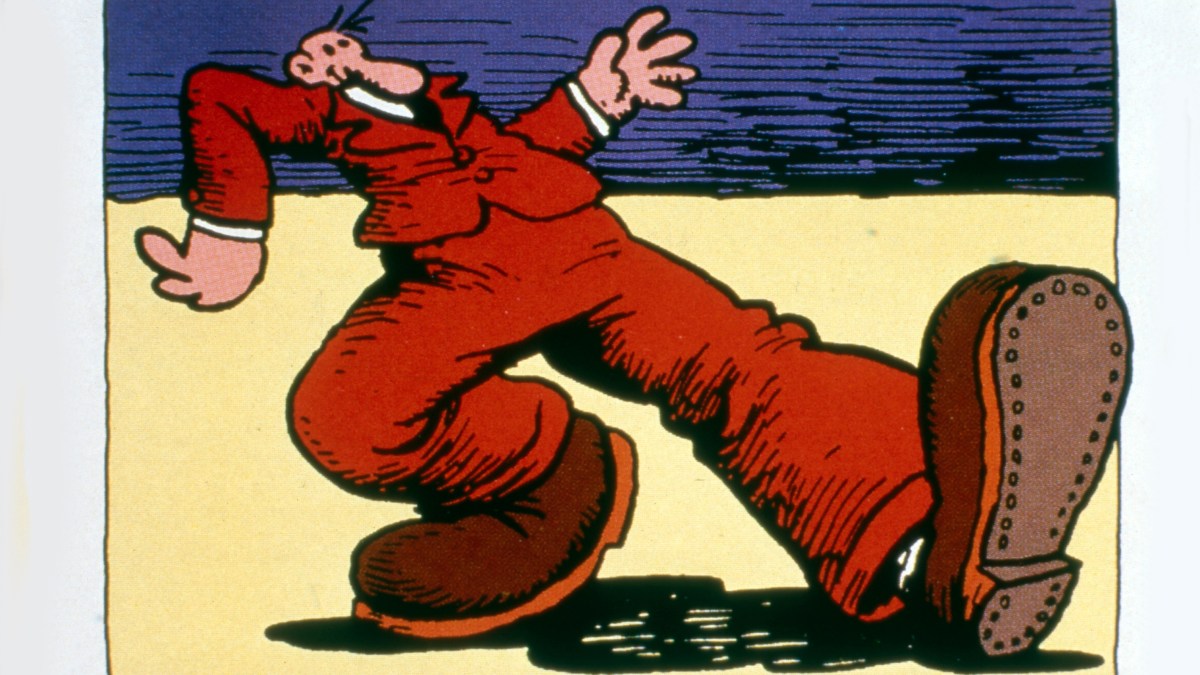
Crumb’s catalog reads like a bizarre hall of fame featuring a cast of characters that are part philosophical absurdism, part LSD-inspired fever dream. Mr. Natural, Fritz the Cat, and Whiteman would feel right at home in a Lewis Carroll story—if only Lewis had a penchant for hatching out neurotic eccentrics instead of anthropomorphic animals. And let’s not forget about Crumb himself: that lanky, milk-bottle-spectacled figure, grumbling about the world while dripping with anxieties. He’s practically the poster boy for “It’s complicated.”
Crumb’s inspiration? Think Harvey Kurtzman—Mad magazine’s disruptive genius—and Carl Barks, the unsung hero behind Donald Duck. Add a touch of self-reflection, and voila! Every modern cartoonist—yes, I’m looking at you, Art Spiegelman and Daniel Clowes—has to deal with the collective existential crisis that is Crumb. Spiegelman himself has stated that encountering Crumb is akin to the evolutionary leap from apes to humans. That’s right, folks—if you want your artistic voice, better pass through the Crumb filter first.
Despite being a staple of Sixties counterculture, Crumb often felt like a time traveler stuck in the past. His obsession with collecting old 78rpm shellac records is reminiscent of that collector at parties who insists on showing you their vinyl collection. His artwork pays homage to the 19th and early 20th centuries, and his political views, while generally anti-corporate, often veer into the realm of introspection. It’s like trying to determine whether a fish is more concerned about the ocean or the hook that just snagged it.
Let’s not sugarcoat it: Crumb is what today’s youth might label “#problematic.” Some of his characters, such as the hyper-erotic Angelfood McSpade, don’t exactly scream “progressive.” And when it comes to consent, let’s just say his early works played with themes that would make any modern-day cartoonist cringe. Crumb maintains that he’s merely a mirror reflecting society’s more unsavory facets—like a funhouse mirror, perhaps, one that distorts rather than clarifies.
As Crumb navigated the rocky seas of personal relationships—think romantic escapades with a side of complicity and neglect—he produced a body of work that’s as conflicted as he is. His first marriage didn’t survive the first season of Crumb’s emotional syndicated drama. Yet, he later found a partner in Aline Kominsky, a relationship that offered more than just creative collaboration—it was a roller coaster of love, art, and occasional discord. Eventually, the counterculture that once worshipped him faded, leading Crumb to grapple with his relevance, as anyone who’s ever worn parachute pants can attest.
Fast forward to today: Crumb is now more of a nostalgic curiosity than a headline-grabber. His art sells for considerable sums, but let’s be clear—he never chased the dollar signs. His relationship with money has been more of a love/hate situation. Offers to depict cuddly toys or to sell out to mainstream icons? No thanks! Good for him, but also a bit puzzling. Someday, they might write a biography titled *Crumb: A Cartoonist’s Life—Sans the Sellout.*
