
Meet Robert Crumb: The Quirky King of Modern Cartooning
Robert Crumb, or as he likes to call himself, “R Crumb,” is an iconic figure in the world of cartooning. If you’ve ever pondered how one man could encapsulate both the genius and the weirdness of modern art, Dan Nadel’s biography serves up the full buffet of Crumb’s life—or should we say, circus act.
For years, the “straight world” recognized Crumb mainly for his psychedelic illustrations. Remember that legendary cover for the Big Brother and the Holding Company/Janis Joplin album Cheap Thrills? It’s one of those pieces you’d find plastered on your college dorm wall right between the posters of Che Guevara and a cat that says “hang in there.” But that’s just the frosting, folks; Crumb was the rock star of underground comics in the ’60s and ’70s, playing lead guitar in the band called Zap Comix.
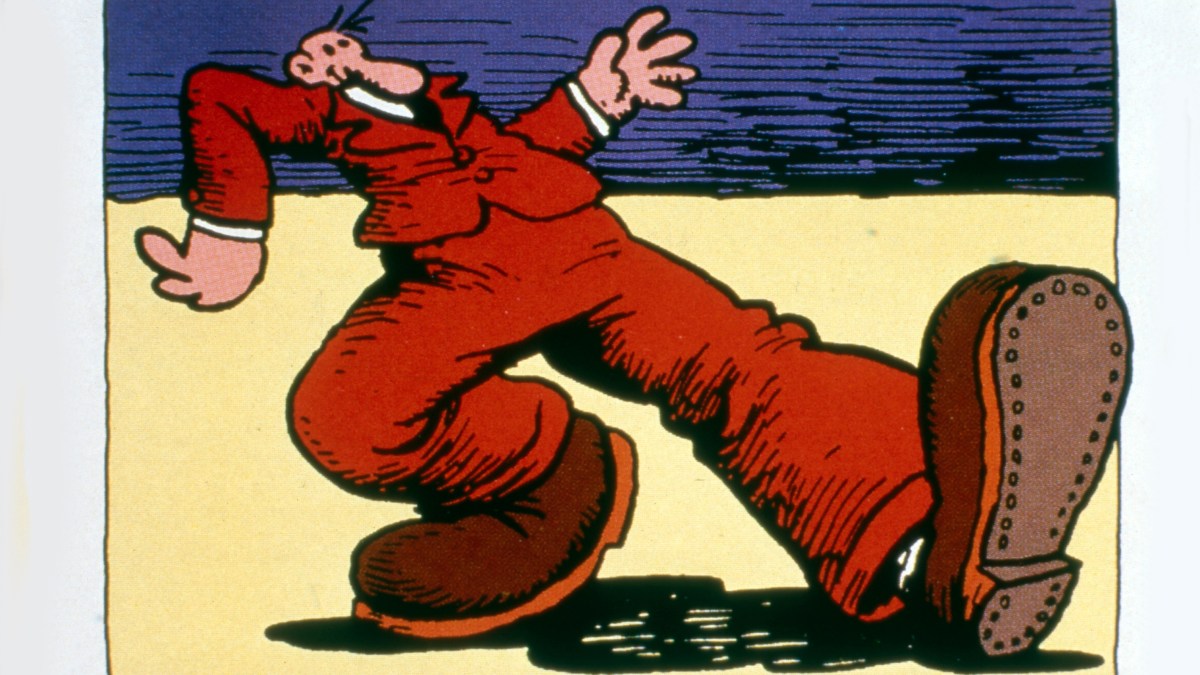
Crumb gifted the world a dizzying array of trip-fueled characters like Mr. Natural, Fritz the Cat, and the infamous Angelfood McSpade. These aren’t just characters; they’re a cavalcade of absurdity, brought to life with his signature hatching style. Crumb himself could easily be considered his most poignant creation—a lanky guy with glasses, seething with a concoction of neuroses and angst that would make Freud do a double take.
It seems Crumb took his schooling from the likes of Harvey Kurtzman and Carl Barks (the “good duck artist,” who incidentally drew Donald Duck in anonymity). Nadel points out, without a Crumb, you could forget about the masterpieces of Art Spiegelman, Chris Ware, and company. Spiegelman, the genius behind Maus, famously said, “Every cartoonist has to pass through Crumb.” It’s like a rite of passage—only instead of a journey through fire, you get handed a sketchpad and an existential crisis.
While Crumb became a beacon of the ’60s counterculture, he’s more of a throwback than a trendsetter. His passion for collecting ancient 78-rpm records coupled with a nostalgia for 19th-century aesthetics means he’s more likely to be found digging through dusty vinyl than partying at a music festival. His brand of anti-corporate politics is much less about fighting the system and more about examining himself under a harsh light—preferably one that resembles a fluorescent bulb, because why not be uncomfortable?
Born in 1943 Philadelphia into a family that could write a tragicomedy, Crumb’s childhood is the stuff of dark fairy tales. His family tree is tangled with mental health issues, addiction, and just enough dysfunction to fuel his artistic fire. Crumb’s brother, a promising artist, succumbed to mental illness and addiction in a tragic end that is almost Shakespearean. It’s a miracle Crumb found any escape at all—beyond the pages of his sketchbook, that is.
But let’s not sugarcoat this: Crumb is not winning any “Most Politically Correct” awards any time soon. His character Angelfood McSpade screams hyper-sexualized stereotype, and some of his early work features jokes about rape that make us cringe today. His defense? “I didn’t create these stereotypes; I’m just holding up a mirror to society.” Well, Robert, that’s an interesting way to dodge criticism—kind of like saying, “I didn’t invent social media, I just use it to yell at people.”
Instead of being ostracized, Crumb thrived sexually, much to the chagrin of the burgeoning feminist movement. His first marriage ended in a spectacular mess, perhaps because he prioritized crayoning over parenting. That said, his relationship with artist Aline Kominsky has lasted longer than most of his cartoons, and that’s saying something in the comic world.
In the late ’70s, Crumb found himself in an artistic rut, as the counterculture that once adored him was being rolled up like a missed opportunity. While he tried to sculpt a more “realistic” career, he was quickly reminded of his past when a fanzine quipped that his Mr. Natural was more washed-up than a neglected dish. In response? He offed Mr. Natural and lamented that his glory days were as distant as a forgotten mixtape.
These days, as his artwork fetches serious cash—a cheeky twist considering he often turned down lucrative offers—Crumb remains a character of contradictions. He may not have cared for the cash flow, but it seems his stubborn integrity in refusing to whore himself out to the highest bidder is oddly refreshing, even if he ended up broke. And now living in rural France—away from the hustle and bustle—one can’t help but wonder if he finds tranquility or just another reason to draw another neurotic character.
In his ninth decade, Crumb is still spry enough to give a shrug at the thought of being documented. It took four months of planning for Nadel to get that shrug, but hey, who wouldn’t want to chase a living legend down just for a bit of illustrative insight? So, if you’re ready to dive into the wonderfully bizarre world of Robert Crumb, buckle up; the ride is bound to be a scenic detour.
Crumb: A Cartoonist’s Life by Dan Nadel (Scribner £25 pp458). Available for your reading pleasure at timesbookshop.co.uk, complete with free UK standard P&P on orders over £25. Special discounts for Times+ members—a perfect incentive for the financially-savvy bookworm.
