

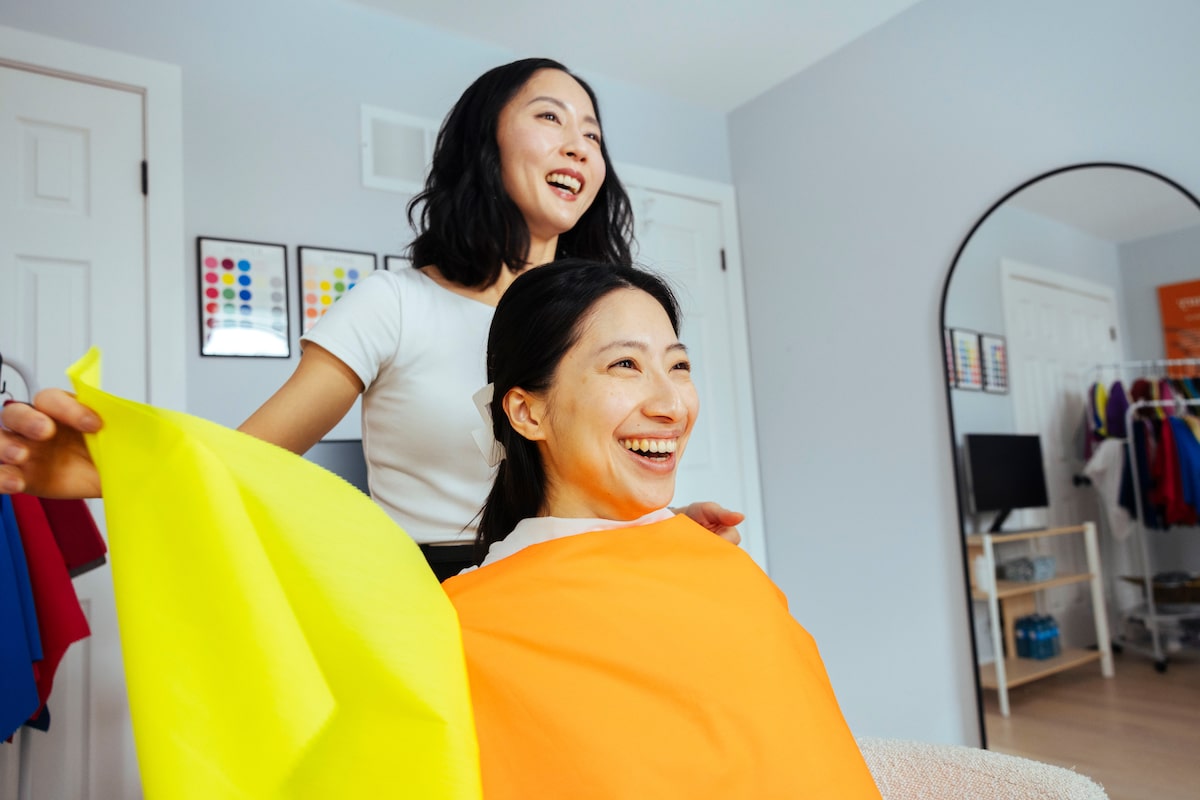


What season are you? No, I’m not asking if you’d prefer to swat flies in July or freeze your nose off in January. We’re diving into the riveting world of color analysis, which is officially back — and it’s bringing with it more drama than your average reality show.
This wondrous trend hails from the 1980s, forgotten only to make a grand return as today’s glow-up enthusiasts reignite the flame. Carol Brailey, with her 330,000 TikTok followers, has claimed the title of Canada’s most famous color whisperer, while a legion of studios surge across the land, hoping to teach us who we really are on “the color wheel.”

“Suddenly, everyone wants to book an appointment,” quips Yan Jin, the mastermind behind Yan’s Powder Room in North York, Ont. It started as her weekend gig, but after a whirlwind of “color revelations,” she’s now a full-time oracle of hues. Move over, fortune cookies!
Jin attracts an eclectic mix: teens, retirees, and bachelorette parties looking for a 90-minute diversion from reality. They walk out not just with enhanced glam; they officially know their season. What a world!
Jessy Wong of MyColoury, another color savant based in Markham, Ont., insists this is all about personalization, not blind faith in trends. “We help you find what flatters your natural look because, let’s face it, picking out clothes shouldn’t feel like solving a Rubik’s Cube,” she jokes.
But beware! These stylists wield the scientific power of color theory wielded with the precision of a surgeon. By evaluating your skin, hair, and eye shade, they designate you to a season of your very own—think cooler winters and warmer autumns, all while you slowly spiral into an existential fashion crisis.
Wong explains, the “right” colors can work magic, minimizing dark circles and banishing that “I just woke up” vibe. You may not know it, but your wardrobe is literally one color away from making you look like you’re not auditioning for a zombie role.
Utilizing a 16-season system, these experts offer more variation than just the boring four we’ve known for decades. Remember, they weren’t just tossing fabric swatches at you. They spent years mastering a colorful cult of their own — or as they like to call it, an education.

Jessy Wong runs MyColoury, a Markham, Ont.-based color consultancy.
Wong makes it her mission to save clients from the pitfall of vibrant money pits masquerading as wardrobes. “They think they should wear black, white, or gray because that’s the adult thing to do,” she says, a slight smirk suggesting the absurdity of it all.
It turns out this analysis is not just a superficial concern; it has profound psychological implications. In a world where how we look is directly correlated to how we feel about ourselves, Wong’s consultation feels like therapy—with fewer tears and perhaps a bit more color.
“You look brighter. Your eyes are shinier. You don’t look tired.”
– Yan Jin
“People seeking answers on what suits them embody this quest for personal style and improvement,” states Toronto-based trend forecaster Tamara Szames, probably while browsing her own color swatches. Social media has transformed this once-niche interest into a full-blown obsession.
Yet, the fast pace of these platforms can make color analysis feel like yesterday’s news before it’s even gained traction. Will our increasingly invested color analysts find themselves in a fleeting trend? Ms. Szames sees room for growth, even if it spins like a kaleidoscope.
She envisions a future where shoppers expect not just personalized color consultations but also AI tools that will tell them what to wear on their worst hair days—because nothing says “I’ve got it together” like a robot telling you green is your color.


Experts like Wong use the science of color theory to help clients find the “right” shades for them.
It’s comforting to know that according to StackAdapt’s 2026 report, 99% of agencies affirm that personalization in digital marketing boosts profits. Surely there’s a way for fashion and beauty businesses to cash in by suggesting apps to track your color season, size, and favorite brands. Don’t we all need a virtual wardrobe fairy?
“The future lies beyond just clothes; it’s about branding and image,” Ms. Szames remarks, hinting that soon, we’ll all be looking for a personal stylist who doesn’t require a six-figure salary.
Interestingly, color analysis fortune seekers sit at the epicenter of multiple consumer trends, as the demand for deep, sensory experiences grows. It seems a tactile shopping spree is preferred over the virtual rabbit holes of fleeting TikTok trends.

Ms. Wong with different color cloths she drapes around a client’s face to help them find their ideal palette for hair, makeup, and clothing.
A fun experience with colorful results awaits, don’t you worry. Ms. Wong cherishes those moments when clients see their new shades and gasp in disbelief. “I’ve had a tear or two,” she shares, recalling how colors can fade insecurities faster than a bad Tinder date. Clients have been known to recall life-changing experiences where a mere color made them feel less like a walking disaster.
Ms. Jin agrees wholeheartedly, emphasizing the necessity of making clients not just look good but feel joyous—a noble quest she hopes to continue until the ripe old age of 65. Because, really, what’s the fun in retirement if you can’t spend it coloring the world with your keen fashion sense?
