

Frugality Lessons from Billionaires
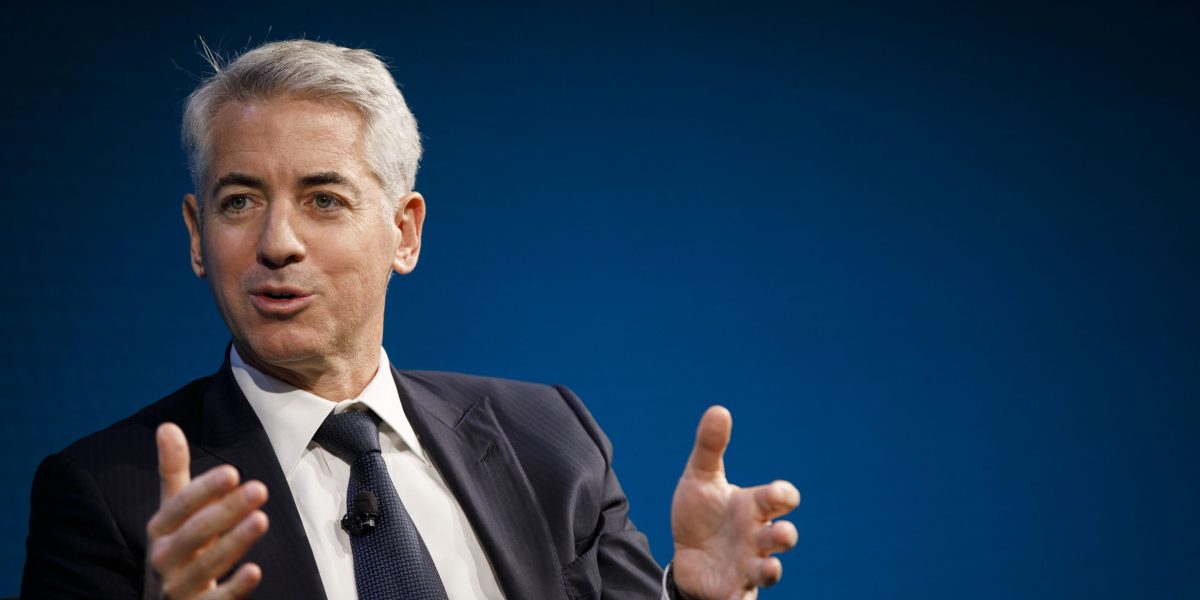
“I don’t like wasting money,” hedge fund mogul Bill Ackman told the WSJ last year. Ackman emphasizes the importance of not squandering resources, a principle instilled in him since childhood. “If I left my light on in my room, my dad would get really upset. Now I go around the house turning off every light,” he explains.
Bill Ackman is not just known for his wealth and success in the hedge fund industry; he has also made waves in politics and business circles. The now-59-year-old, whose wealth and influence have grown tremendously, reflects on his relatively modest upbringing. Raised in a home that cost $56,000 in New York state, Ackman acknowledges that his family’s financial struggles shaped his views on money management.
With no inheritance to rely on, Ackman took it upon himself to carve out a successful path. Yet, despite his billions, he remains deeply committed to frugality. “If I don’t like the price of the garage, I’ll go to a different one,” Ackman shares, even humorously noting that he once owned a parking company. His disdain for waste extends beyond parking fees; he also frets when utility bills spike due to carelessness, demonstrating a strong commitment to conserving resources.
The Frugal Mindset of Other Billionaires
Ackman is not alone in his frugal habits. Consider Warren Buffett, the 10th richest person globally with a net worth of $146 billion. Buffett famously resides in the same Omaha home that he purchased for $31,500 in 1958. He has shunned luxury cars, opting instead for a simple, older model because he believes it is safer. Even his dining preferences lean towards affordability, where he avails himself of McDonald’s deals regularly.
At a Berkshire Hathaway shareholders meeting in 2014, Buffett stated, “I do not think that standard of living equates with cost of living beyond a certain point.” He emphasizes that true happiness isn’t tied to excessive possessions or opulence. Buffett’s perspective illustrates that wealth does not necessarily lead to extravagant spending when one values financial prudence.
Young Entrepreneurs Practicing Frugality
Lucy Guo, the youngest self-made woman billionaire worth $1.3 billion, echoes Buffett and Ackman’s philosophy. This college dropout turned entrepreneur embraces a minimalist lifestyle, still driving her old Honda Civic while capitalizing on buy-one-get-one-free deals on Uber Eats. She reserves her designer dresses for special occasions but typically opts for affordable clothing from fast-fashion retailers like Shein.
“I don’t like wasting money,” Guo noted in a 2025 Fortune interview, reflecting on the pressure some feel to display wealth through flashy possessions. She points out that many are caught in a cycle of spending to impress others, yet real success can often be found in simple living.
Frugality in Unexpected Places
Even those outside traditional realms of finance display similar frugal tendencies. Actress Keke Palmer, who became a millionaire at age 12, prioritizes saving over extravagance. From the blockbuster films like *Nope* and *Hustlers*, to her work in television, Palmer emphasizes maintaining a modest lifestyle.
In a CNBC interview last year, she stated, “I live under my means. If I have $1 million in my pocket, my rent is going to be $1,500.” This approach reveals her commitment to financial stability over material excess, proving that frugality is a common thread among successful individuals.
The stories of Bill Ackman, Warren Buffett, Lucy Guo, and Keke Palmer illustrate that financial success often does not equate to lavish spending. Their shared commitment to frugality serves as a powerful reminder of the value of making mindful financial decisions in an increasingly materialistic society.
