

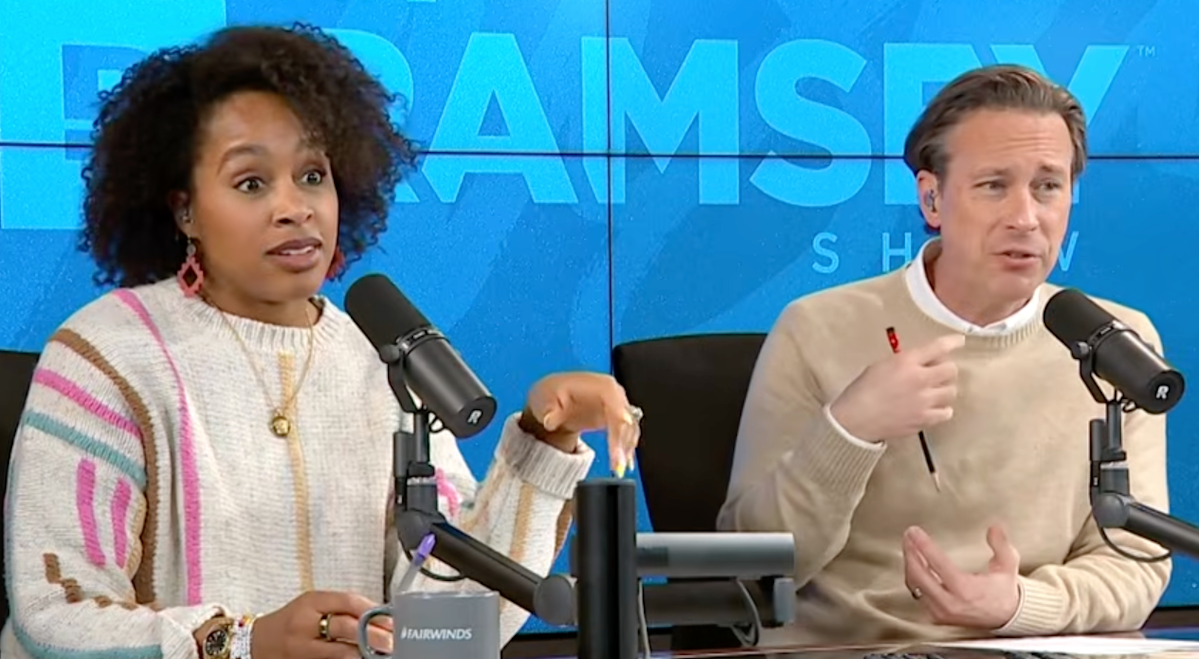
Ramsey Show hosts Jade Warshaw and Ken Coleman react with shock when talking to a caller who isn’t happy with how her daughter plans to spend $24K gift for wedding.
The rising costs of weddings have become an undeniable trend, with research from The Knot revealing that the average wedding price in the U.S. is now around $33,000. This figure can vary significantly depending on the state, but those managing to stay within a budget of $15,000 typically host smaller celebrations, inviting about 89 guests on average.
In a standout case, a couple from Michigan is aiming for a guest list of 150 while sticking to a modest budget of only $6,000 to $8,000. However, this budget-conscious approach has left the bride’s mother, Karen, feeling frustrated and concerned.
Frugal Wedding Plans Cause Tension
During a February call to The Ramsey Show, Karen expressed her discontent that her daughter and her fiancé are planning to save most of a generous $24,000 wedding gift for future financial goals, such as a down payment on a home. While she appreciates their frugality, she worries about potential shortcomings in their wedding preparations, such as insufficient food and seating.
Understanding Parental Expectations
As wedding financing dynamics evolve, it’s essential to recognize the fine line between support and control. A study by The Knot highlights that parents often cover about 52% of wedding expenses, while the couples themselves contribute around 48%. This financial involvement may lead parents to feel entitled to influence their children’s wedding decisions, which can lead to resentment.
Ken Coleman and Jade Warshaw, hosts of The Ramsey Show, emphasized that imposing expectations can create significant tensions. Coleman cautioned against fostering resentment, suggesting that parents respect the couple’s wishes, reinforcing that it is ultimately their special day.
Best Practices for Gift Giving
When giving financial gifts for significant events like weddings, it’s crucial to approach the situation with mindfulness. If you are planning to provide a substantial monetary gift, evaluate your expectations and be prepared to accept different choices. If you foresee potential disappointment, consider whether it’s more appropriate to offer the funds as a loan instead.
Open Communication is Key
Parents should also foster an open dialogue with their children, expressing feelings while acknowledging individual perspectives. While it may not be the wedding they envisioned, it is important to respect the couple’s autonomy in their financial decisions.
Celebrating Individual Choices
Ultimately, the essence of wedding planning is to reflect the couple’s values and preferences. As Jade Warshaw aptly put it, “It’s okay that they’re doing something different, and it’s okay that you don’t understand it.” Recognizing and celebrating these differing values can lead to a more fulfilling experience for everyone involved.
Conclusion
Managing expectations surrounding financial gifts and wedding planning can lead to a more enjoyable experience for both parents and couples. By fostering open communication and respecting each other’s choices, families can navigate these significant moments together with love and understanding.
