
Work out where you stand
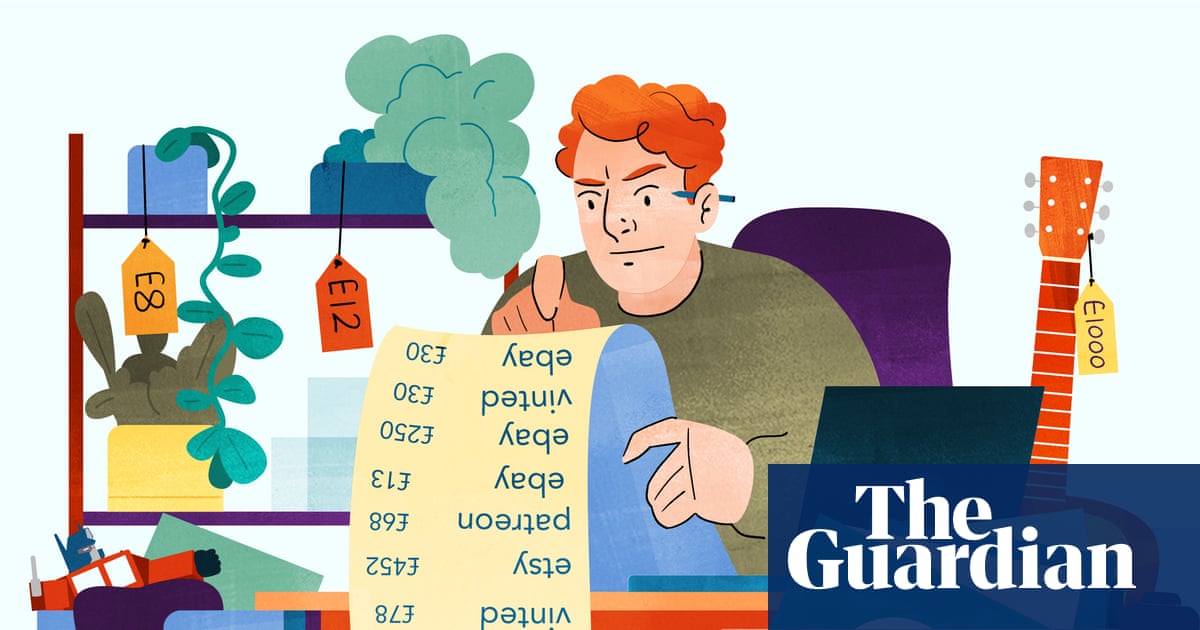
Welcome to 2024, where you can sell your old socks on Vinted, and the taxman will be watching. That’s right—if you’re a digital flea market extraordinaire, HM Revenue and Customs (HMRC) is now your biggest fan. If you sell more than 30 items or make a whopping £1,700 (or around €2,000, if you’re feeling European), they’ll want to know about it. But don’t get too excited; just because you’re on their radar doesn’t mean you owe any additional income tax. So, it’s kind of like being noticed by a school bully—good luck with that!
It’s vital to be aware of your potential tax bill or make sure your paperwork is shinier than a new penny, just in case. Selling cherished, dusty items (like those neon leg warmers from the ’80s) qualifies as personal possessions. Sell as many as you like for a small fortune without tax repercussions, unless one of them somehow skyrockets past £6,000. Then you better keep receipts like they’re the Holy Grail because HMRC might want a piece of the action.
Of course, just selling your old junk isn’t the only thing that’ll snag the attention of our favorite tax authority. If you’re doing the side hustle hustle by tutoring, dog-walking, or renting out a secondhand lawnmower, that counts towards your taxable income. A market stall? Yes, it’s the same rules; keep those receipts unless you fancy a lengthy argument with the taxman over your “not-a-business” endeavors.
Know Trading vs. Selling
“You’re selling or you’re trading” is not the latest Nu Metal song, but an important tax question. Lee Murphy from The Accountancy Partnership warns that answering “Yes” to questions about systematic selling and item flipping can earn you a badge of trade. Congratulations, you’re now a trader! How heartwarming.
Keep in mind how long you’ve owned an item before peeling off that price tag. If you bought it last week and sold it today for a profit, congratulations, you’re a tradesperson with a tax bill looming. Did you take out a loan for your “business”? Well, that’s another flag waving merrily in HMRC’s direction.
Check Your Allowance
Before you panic and assume you’ll need to sell your left kidney, remember—everyone in the UK has a lovely little £1,000 tax-free trading allowance. If your extra work brings in less than this, you can rest easy knowing no one needs to hear about it (shh!).
And for those dabbling in property rentals, there’s also a generous £1,000 allowance there, too. The Rent a Room scheme allows you to earn a tax-free £7,500 for ruffling a few sheets in a spare room. Go on, play landlord. It’s either that or binge-watch another season of your favorite show.
Ready for Self-Assessment
If your extra income exceeds £1,000 (and you’re still breathing?), then congratulations! You’ll have to join the ranks of the self-assessment warriors. That extra cash gets added straight into your overall income to figure out which tax band you’ve landed in—kind of like a game of Monopoly but with more paperwork and fewer plastic hotels.
In a dramatic twist, self-assessment rules will change in 2029, allowing the use of a “new simple online service.” So, if you can stand the wait (and the taxman’s persistence), consider it to be your long-term goal. Until then, you’ll have to register online and obtain a UTR (that’s Unique Taxpayer Reference for us normal folks). Don’t worry; it only takes about two weeks, perfect for those who enjoy the thrill of anticipation.
Keep Records …
Monzo’s research reveals that people working extra jobs are making an average of £470 a month, which is significantly higher than the £1,000 allowance. Yes, apparently you are not alone in selling your unwanted treasures; welcome to the glorious underground economy. So, while you’re raking in that cash, keep meticulous records of your earnings and expenses like an ultra-organized squirrel preparing for winter.
It’s crucial if you decide to play around with online platforms to hold on to those receipts longer than a nostalgic hoarder. For high-ticket items, your evidence of purchase is key. Imagine explaining how that retro video game console was actually a gift and you’ve had it forever—HMRC will not be impressed, trust me.
… and Remember Expenses
If you racked up costs while making your extra bucks, those can be claimed as tax-deductible—this includes software, tools, and all those fancy gadgets you bought that sit neglected in a corner. If you’re renting out properties, repair costs and insurances may also lighten that tax bill. Keeping tabs on these things is like finding gold nuggets in a mountain of receipts (and much easier).
Don’t Panic
Receiving a letter from HMRC can feel like you’ve been summoned to the principal’s office. But before you hyperventilate, check that letter closely. Most of the time, it’s just a polite nudge for more information or a reminder that you might have lost a receipt (again).
Take a deep breath and respond appropriately—don’t let it snuff out your spark of survival. Make sure you know which tax year it covers and respond within the given deadline! They typically allow 30 or 60 days. Ignoring it is like tossing a grenade into a room; it’s messy, and you’ll likely be in trouble.
In the end, if you’re regretting every overpriced vintage handbag, don’t panic! Just gather that bank statement or the infamous selfie with you showcasing that fabulous item, and you might just get away with it.
Be Proactive
If you didn’t foresee those delightful extra taxes landing on your plate, don’t be alarmed; just reach out to HMRC faster than a cheetah on caffeine. The key is to be as communicative as a chatty parrot. Reach out to them and explain your plight before they start knocking on doors.
There are arrangements like “Time to Pay” available, where HMRC allows you to pay in monthly installments. While interest could apply, it’ll likely be much lighter on your wallet than a hefty fine that makes you stew in regret. Go ahead, work that tax negotiation muscle!
