

Credit: Laurey W. Glenn; Stylist: Matthew Gleason; Design: Laura Hodges
In the quest for a sustainable home, the roles of architects and contractors in managing the carbon footprint of new constructions and renovations are significant. However, interior designers, such as Laura Hodges, also play a crucial part. “Our bigger impact is in the materials, finishes, furnishings, and daily lifestyle choices we encourage our clients to make,” says Hodges.
Hodges suggests opting for thoughtfully constructed items made in the U.S., exploring vintage or secondhand options, and making small yet impactful adjustments in daily routines. “I think in terms of baby steps. It doesn’t have to be about sourcing entirely new, sustainable furniture or making massive changes all at once,” she adds. Here are some simple lifestyle adjustments that can lead to a greener household.

Credit: Ann_Zhuravleva / Getty Images
Eliminate Single-Use Products
Single-use items such as paper towels and plastic wraps create unnecessary waste. Transitioning to reusable dishcloths and hand towels serves as an eco-friendly alternative to paper products. Additionally, replacing plastic cling wraps with beeswax wraps can help minimize waste. Hodges encourages creativity too: “Instead of using wraps, consider using a small lid from a container or even a Pringles can to cover cut fruits or vegetables.”

Credit: Laurey W. Glenn; Stylist: Matthew Gleason
Explore Vintage and Secondhand Finds
When considering new decor or accessories for your home, take the time to browse local antique shops or thrift stores. Purchasing items with history not only enhances your space’s character but also reduces your carbon footprint and can save you money.
Reduce Plastic Usage
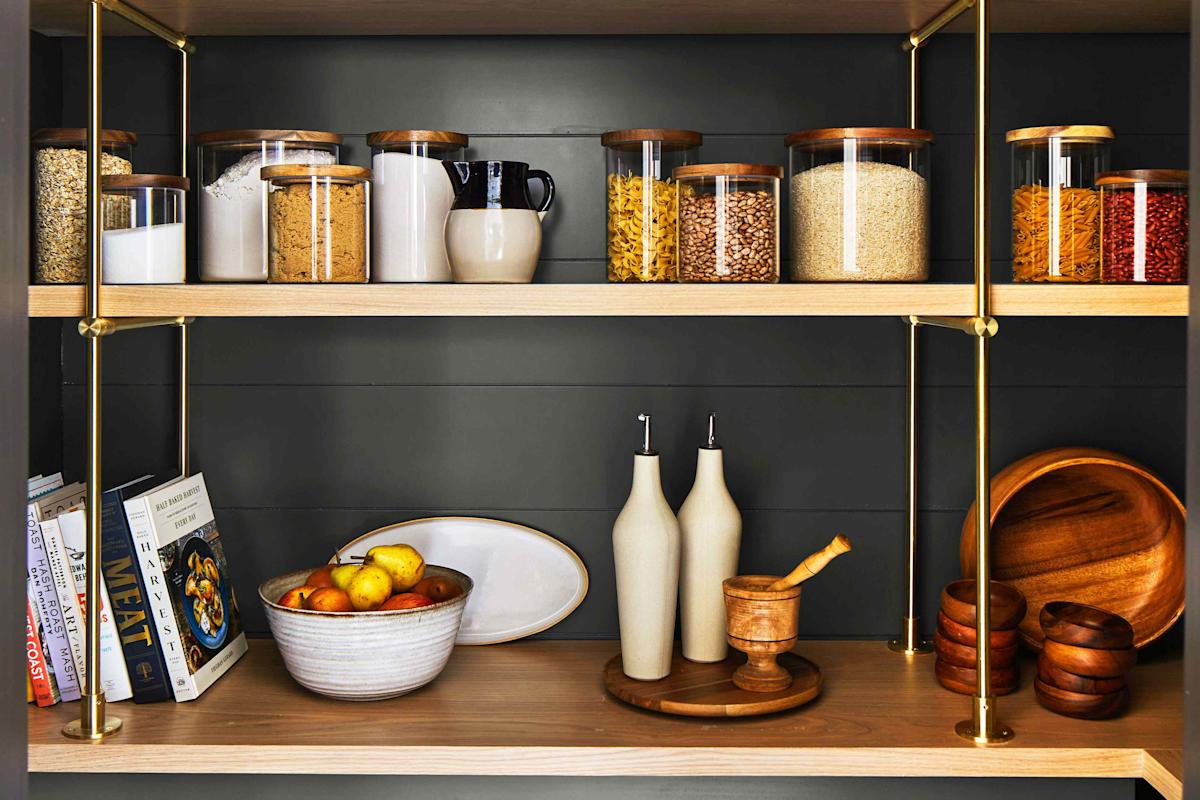
Reducing plastic consumption directly contributes to less plastic waste. Hodges advises being mindful of packaging when shopping. Choosing bar soaps or detergent tablets instead of bottled products, and buying food in bulk can help you decrease plastic usage in your home. Storing food in glass containers instead of plastic can make a significant difference.

Credit: Getty Images
Think About Composting
Composting is a simple method to manage food waste that might otherwise end up in landfills. “It’s straightforward; you’re already throwing things away. With composting, you’re just diverting waste to a different bin,” Hodges explains. Many communities offer compost pickup services, or for those keen on gardening, starting your own compost pile provides nutrient-rich soil enhancements by recycling scraps like fruit peels and shredded paper.
In summary, adopting these small changes can lead to a more sustainable lifestyle, making a positive impact on the environment while enhancing your home’s character and reducing waste.
