

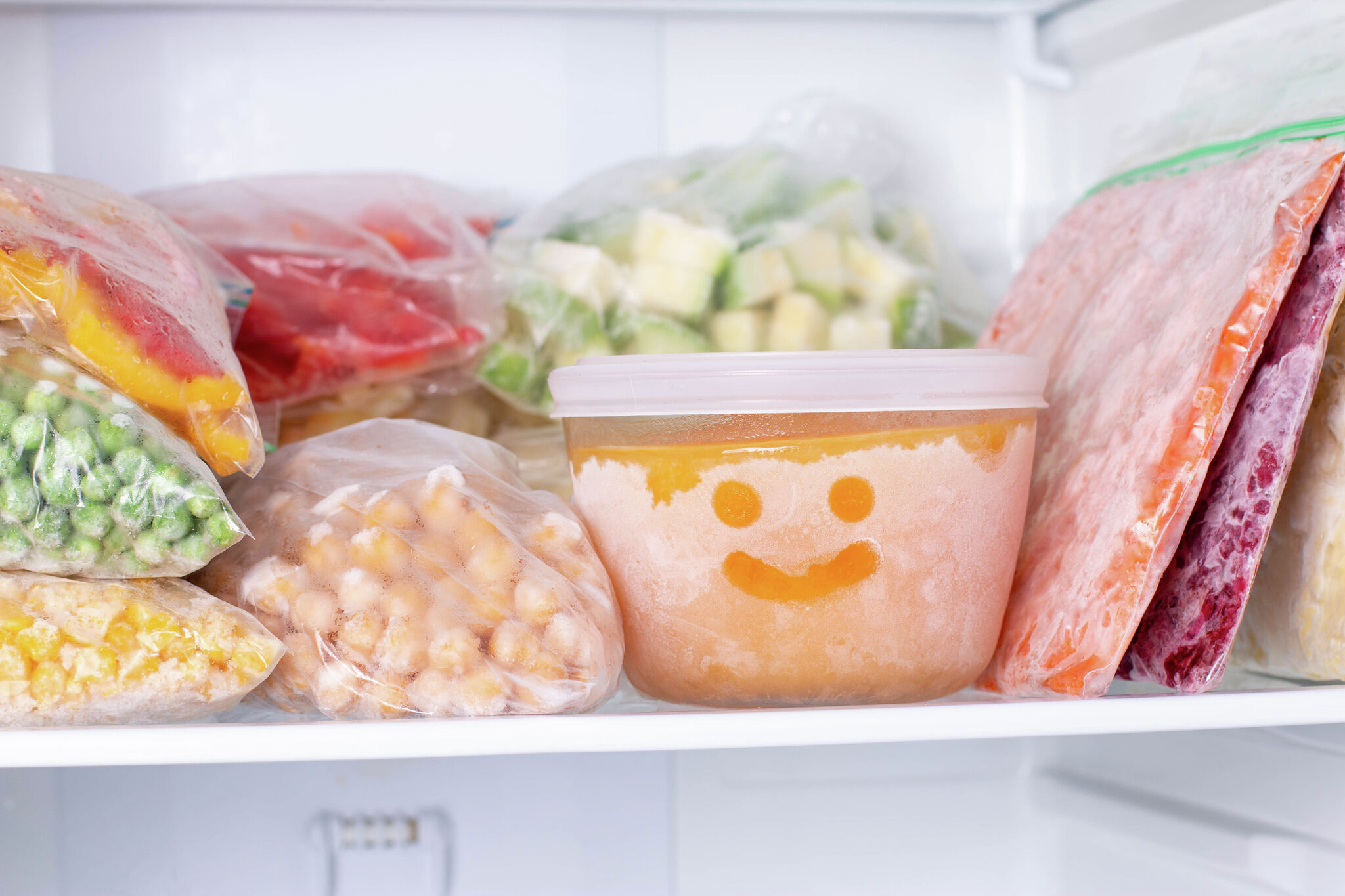

Shoppers can save money and reduce food waste with frozen foods, while retailers such as Price Chopper/Market 32 reinforce those savings through aggressive promotions.
Qwart/Getty Images
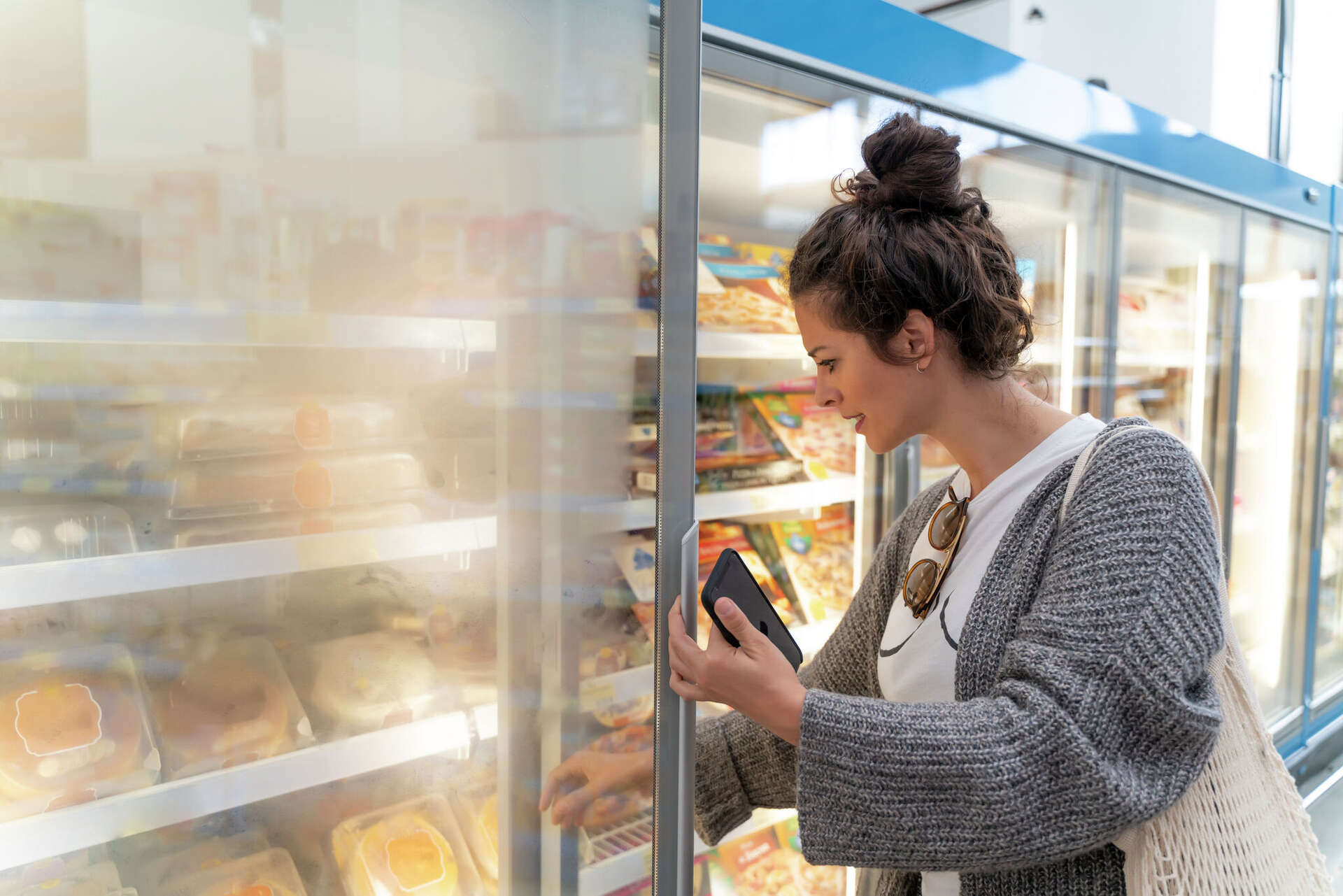
Frozen foods have become a vital component of American households, especially as grocery prices rise and family budgets tighten. March, celebrated as National Frozen Food Month, highlights the increasing significance of items like frozen pizzas, peas, and poultry in modern meal planning.
According to the American Frozen Food Institute, U.S. frozen food sales reached $87 billion in early 2026, showing a 2% annual increase from the previous year. This is a substantial rise from over $72 billion in 2022—a 23% surge since 2019—illustrating the growing impact of frozen foods on household budgeting.
“There are many options in the frozen food aisle that help people feed their families at an affordable price without sacrificing taste, quality, or nutrition,” remarked Nils Lundburg, vice president of center store merchandising for Price Chopper/Market 32. Today’s freezer aisles are packed with not just traditional frozen dinners but also family-sized casseroles, globally-inspired meals, gluten-free options, and an extensive range of frozen vegetables and grains.
This diverse selection provides significant value for families, particularly during busy weeknights. Lundburg emphasized that “many of these ready-to-heat meals can be purchased for less than buying the ingredients to prepare a meal, making them an ideal solution for hectic schedules.”
Retailers like Price Chopper/Market 32 enhance this affordability with enticing promotions, including buy-one-get-one offers and significant discounts on various frozen meals. These deals encourage consumers to stock up on frozen foods, which can serve as a buffer against rising prices and reduce the temptation of dining out, which costs the average American household over $3,228 annually.
Frozen foods also address growing concerns regarding food waste. Fresh produce is among the most discarded grocery items, often spoiling before it can be consumed. Lundburg explains, “Families can use what they need and keep the rest frozen for later. Frozen produce can be just as nutritious as fresh, helping to minimize waste while offering flexibility in meal planning.”
Lastly, evolving consumer preferences have shaped trends within the frozen food industry. The demand for high-protein options is particularly noticeable, as many shoppers seek meals and snacks aligned with their health goals. Lundburg shared that brands are stepping up, offering a variety of high-protein products across all frozen categories—from meals to desserts.
Ultimately, frozen foods provide the versatility, convenience, and affordability that modern families need. They enable efficient meal planning while cutting down on waste, allowing shoppers to take advantage of sales, stock up, and prepare quick meals—all without straining their budgets.
