

You know the feeling—the gut-wrenching moment when you open a credit card statement or check your loan balance, only to see that number steadfastly stuck. For many, debt isn’t just a financial hurdle; it often feels like a lifelong prison sentence. But what if the solution isn’t just about paying it off a little at a time? What if you could completely reset your financial situation?
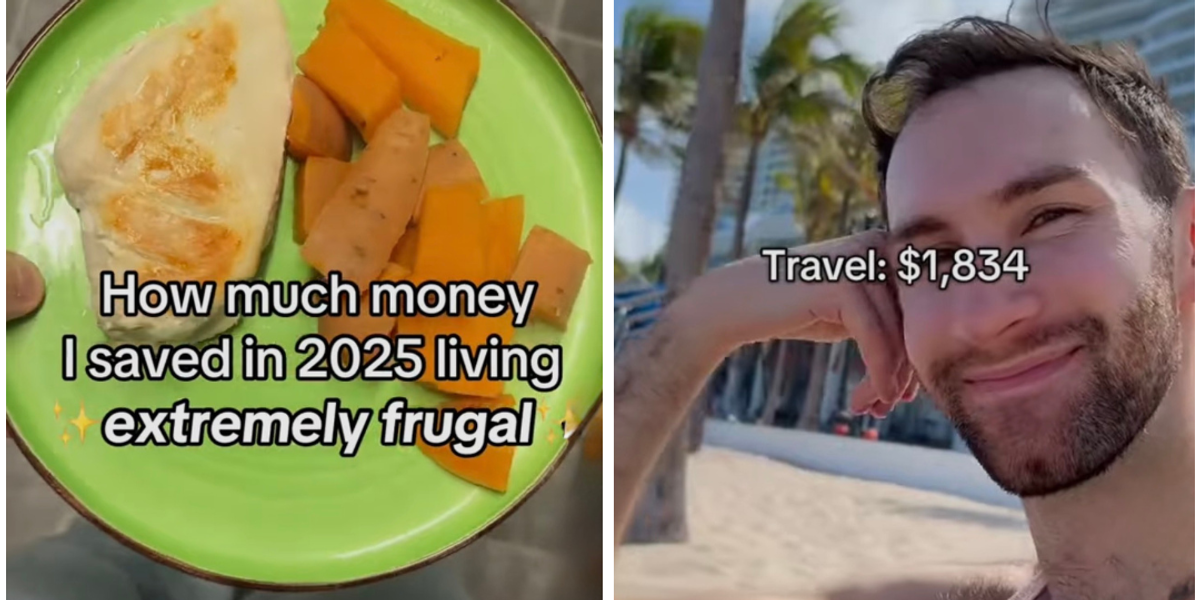
Introducing Bradley, also known as “Bradley on a Budget.” Unlike typical frugality advocates who might suggest skipping avocado toast or forgoing oat milk lattes, Bradley has turned extreme frugality into a kind of performance art. In a recent video titled “How Much Money I Saved Living Extremely Frugally This Year,” he revealed that he saved an astonishing $201,369, which is approximately 85.9% of his total income.
This may sound unbelievable, especially since Bradley reported an income of $234,479 for 2025. While this level of transparency is commendable, it’s essential to recognize that this income places him in the top 4% of earners in the U.S., where the average individual income was around $53,010. If you know there’s plenty of money in your account, it becomes much easier to adopt such extreme financial behaviors.
The Transformation from Financial Strain to Freedom
Bradley’s financial journey didn’t start with a high salary; rather, it began in a familiar place for many—overwhelming financial stress. After graduating from the Culinary Institute of America, he found himself burdened with $130,000 in student loan debt, earning a mere $12 per hour at his first job. “My student loan payment was nearly half my monthly income,” he explained. “I had two choices: accept defeat or make my situation better.”
He opted for the latter and entered what he calls “survival mode,” stripping his lifestyle down to the essentials. Over the years, that survival mindset evolved into a strategic lifestyle choice. In 2025, even with an income of $234,000, he managed to live on only $33,100, well below the average American household expenses, which hover around $78,535 annually.
Mastering Grocery Spending
Food typically represents one of the largest expenditures for individuals and families, often consuming about 13.7% of total expenses. To tackle this, Bradley’s food budget for 2025 was just $2,940, averaging around $245 per month. How does he do it? By following a strict grocery routine, preparing all his meals at home, and avoiding dining out. He believes in minimizing variety to cut both food waste and impulse buys, making food a practical choice rather than a culinary indulgence.
Minimizing Car Expenses
Car-related costs can quickly become overwhelming. However, Bradley keeps these expenses to a bare minimum by driving an older, paid-off vehicle. His total transportation costs in 2025 amounted to just $2,058. By not relying on monthly car payments or extensive insurance costs, he showcases how a frugal mindset can drastically reduce necessary expenditures in life.
Budget-Friendly Travel Experiences
Despite his rigorous saving habits, Bradley still managed to travel extensively in 2025. He took five trips, including a week-long stay in London, and spent only $1,854 total. This feat is impressive for anyone, but especially for a frugal influencer with a growing social media presence. His travel principles include booking flights at the right times, traveling during the off-season, and making cost-effective accommodation choices.
Developing Multiple Income Streams
Bradley’s impressive savings are partly due to his 10 diverse income streams, which range from content creation and brand partnerships to financial coaching. He skillfully avoids “lifestyle creep,” ensuring that his increasing income doesn’t lead him toward unnecessary expenses. His commitment to maintaining a low-cost lifestyle is a core element of his financial strategy, reflecting discipline and long-term planning rather than momentary indulgence.
Taking Control of Your Financial Future
While Bradley’s lifestyle may not be for everyone, his story serves as a powerful reminder that anyone can take control of their finances. By tracking where your money goes and questioning normalized expenses—be it an unused gym membership or unnecessary streaming services—you can make deliberate choices that lead to financial freedom. Start small; focus on one aspect of your budget and challenge yourself to improve it. Whether you aim to save 10% or even 20% of your income, building a more sustainable financial future is within reach.
This HTML-structured article emphasizes various aspects of frugality, financial discipline, and smart budgeting practices while enhancing its search engine optimization potential through relevant keywords.
