
Meet Robert Crumb: The Eccentric Legend of Cartooning
Robert Crumb, or as he affectionately scribbles “R Crumb,” stands as a formidable figure in the realm of modern cartooning—a veritable titan and perhaps even an oddity trapped in a world where normalcy is overrated. Dan Nadel’s meticulously detailed biography serves as both a manual and a guidebook into the mind of this enigma.
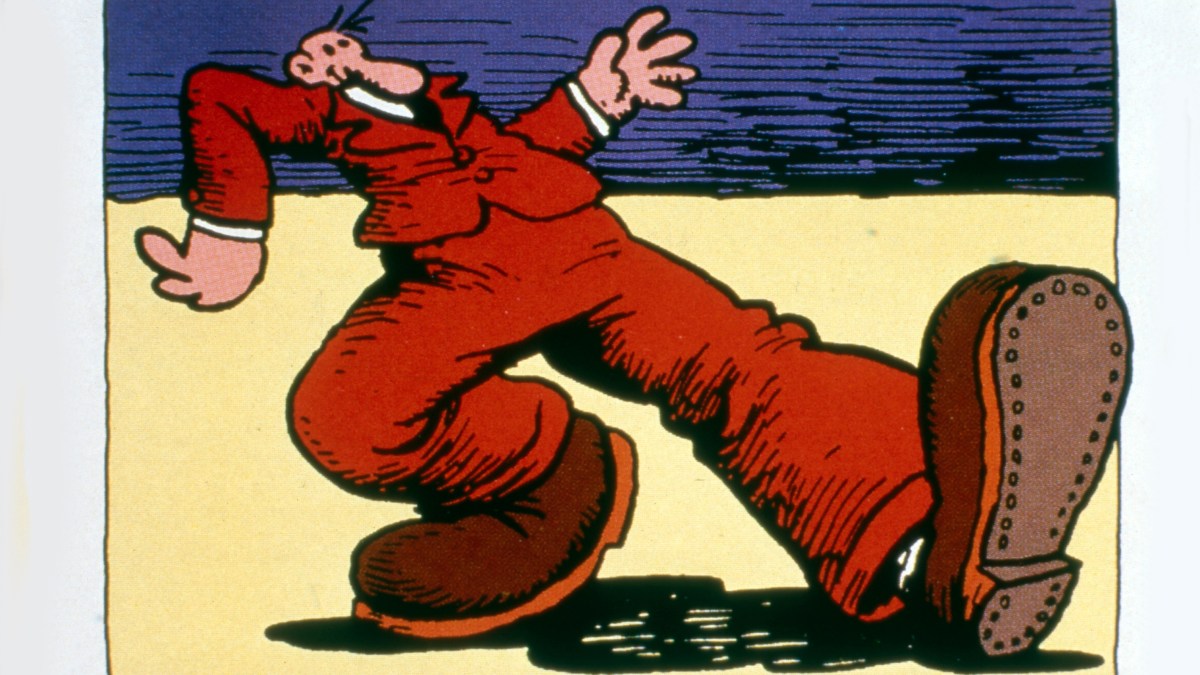
For years, the mainstream knew him primarily for the iconic illustration of the Cheap Thrills album by Big Brother and the Holding Company featuring Janis Joplin, and those languid, stoned figures bearing the famous “Keep on Truckin’” slogan. As it turns out, that was merely a drop in the bucket. Crumb was the reigning monarch of underground comics throughout the Sixties and Seventies, not to mention the mastermind behind the beloved Zap Comix. Major historical contributions? Check. Dorm room posters? Double-check.
Crumb’s psychedelic creations birthed a pantheon of characters that make your Aunt Edna’s weird cat collection seem conventional. Think absurdists like Mr Natural and Fritz the Cat, all painted with Crumb’s unmistakable hatching style. And let us not forget his most fragile and reflective character—R Crumb himself—complete with milk-bottle specs and an undercurrent of existential dread. He’s basically the poster child for “I have some feelings to unpack.”
Influenced by brilliant minds like Harvey Kurtzman and Carl Barks (the mysterious “good duck artist”), Crumb set off a creative chain reaction in the cartooning universe. It’s as if every cartoonist—Art Spiegelman, Chris Ware, Joe Sacco, and the like—had to pass through the Crumb filter to discover their own artistic voices. Spiegelman’s description of encountering Crumb? Imagine an artistic evolution montage akin to 2001: A Space Odyssey. Yes, it’s that profound.
Despite being hailed as a counterculture icon of the Sixties, Crumb’s vibe was distinctly nonconformist and oddly nostalgic. His obsession with old 78rpm records and a cartooning style that echoes the 19th and early 20th centuries portrayed a man who may have been forever stuck in a time warp. His political outlook could be described as broadly anticorporate—aimed primarily at himself for he often seemed more interested in scrutinizing his neuroses than tackling societal issues.
The tale of Crumb’s existence doesn’t begin with rainbows and unicorns. Born in Philadelphia in 1943, he came of age amid a family saga rife with anger, violence, and enough drama to fuel a daytime soap. His beloved older brother, the original co-artist of Crumb’s childhood comics, tragically succumbed to mental health struggles and addiction. One could say it’s a miracle Crumb emerged relatively unscathed, albeit as a cocktail of neuroses ready to launch a career in cartoon therapy.
Of course, let’s not sugarcoat things; Crumb is what the kids today label as “#problematic.” Overly sexualized representations in his work and a cavalier treatment of sensitive themes have drawn scrutiny. “I just reflect society,” Crumb might claim, as if he’s the unwitting mirror showing us all our collective warts. From racial caricatures to unsettling humor around sensitive topics, he’s bravely painted a world that leaves few stones unturned.
With a turbulent relationship history, including a rocky marriage and a long-term partnership with Aline Kominsky, Crumb’s love life reads like a sitcom that got lost on the way to the Oscars. His knack for neglecting parental duties would certainly earn him a few disapproving glances from modern parenting blogs, but they weren’t enough to keep him from thriving as a cultural icon.
Fast forward to today, and Crumb’s work commands hefty prices, even though he’s largely retreated into the French countryside, where he likely contemplates the mysteries of life—or perhaps just enjoys a good vinyl. A monk-like integrity pervades his character, despite the chaotic exterior he projects. Notably, he even turned down sizable sums from the likes of Saturday Night Live and Rolling Stones albums, likely just to emphasize that he genuinely despises mainstream music and doesn’t understand that “money” could be more than just paper reserved for quick doodles.
So, as we navigate this vast, cultural landscape that Crumb helped shape, let’s tip our hats to a man who has channeled his inner demons into pages and panels that make us laugh, cry, and (for better or worse) reflect. Crumb’s artistic genius may be a complex tapestry woven from personal quirks and societal ills, but isn’t that what makes him such a captivating figure? In the end, he’s not just cartooning; he’s holding a mirror to our collective absurdities, and we’re here for it.
