

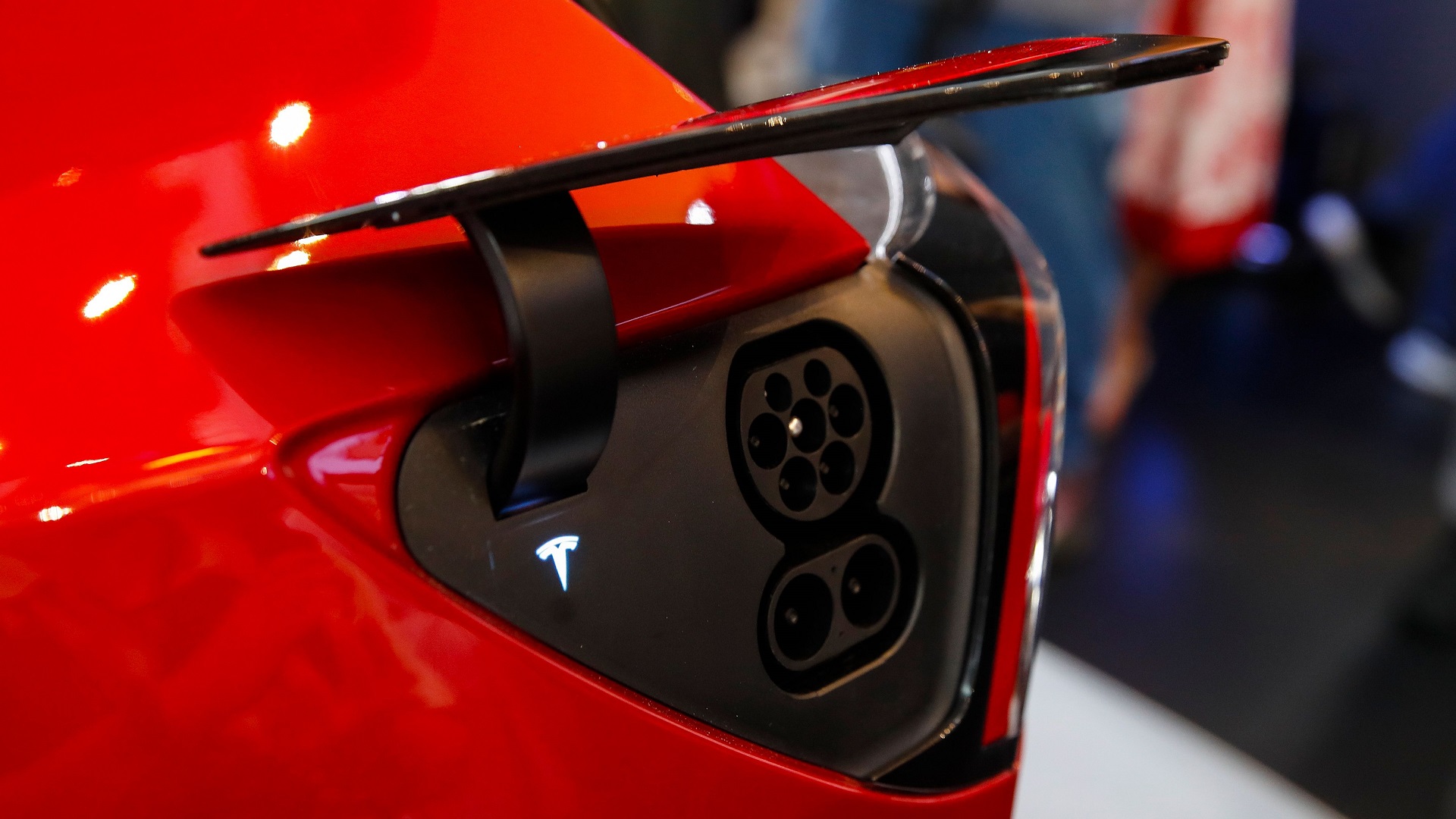
FAZRY ISMAIL / EPA-EFE / Shutterstock.com
Commitment to Our Readers
GOBankingRates’ editorial team is dedicated to delivering unbiased reviews and accurate information. We apply data-driven methodologies to evaluate financial products and services—our reviews and ratings remain free from advertiser influence. For more details, visit our editorial guidelines and review methodology.

20 Years
Helping You Live Richer


Trusted by
Millions of Readers
Electric vehicles (EVs) offer a compelling alternative to traditional gas-powered cars, particularly for those looking to reduce their carbon footprint or save on fuel expenses. However, concerns about battery longevity are common among potential EV buyers.
A prevalent myth suggests that EV batteries demand frequent replacements. In reality, data from the EPA indicates that only about 0.5% of EV batteries since the 2016 model year have experienced failures. Furthermore, these batteries are typically protected by manufacturer warranties.
Research from Recurrent Auto reveals that across various EV models, less than 4% of batteries have ever been replaced. While older electric vehicles see higher replacement rates, models produced from 2022 onwards showcase a remarkable replacement rate of just 0.3%.
Longevity of Popular Electric Vehicles
While it takes time to establish which EVs last the longest, several models are already recognized for their durability and extensive driving ranges.
BMW i3
The BMW i3, a compact sedan, boasts an EPA-estimated range of up to 153 miles, with a projected battery life of approximately 15 years. The 2019 i3 REx offers an extended range of about 223 miles, benefiting from a gas-powered range extender. BMW provides an eight-year or 100,000-mile warranty on its EV batteries.
Tesla Model S
The Tesla Model S is renowned for its impressive battery longevity, estimated at over 300,000 miles. Given that the average annual mileage is around 12,200 miles, the Model S battery could last roughly 24.5 years. With an estimated range of 265 miles for the 2012 model and up to 410 miles for newer versions, Tesla includes an eight-year battery warranty limited to 150,000 miles.
Tesla Model 3
The Tesla Model 3, another standout in the EV market, offers a standard range of 321 miles and up to 346 miles for its premium version. Like the Model S, it comes with an eight-year or 100,000-mile warranty covering significant battery degradation. Assuming typical driving patterns, the Model 3 could also last around 24.5 years.
Ford Mustang Mach-E
The longevity of the Ford Mustang Mach-E battery largely depends on individual usage and environmental factors. Ford provides an eight-year or 100,000-mile warranty on its EVs, ensuring peace of mind should the battery fail or degrade significantly.
Kia EV6
Kia backs its EVs with a generous 10-year or 100,000-mile warranty, suggesting their batteries may last anywhere from 10 to 20 years. Assuming conventional driving habits, the Kia EV6’s battery could last between 122,000 to 244,000 miles, with an estimated range of approximately 319 miles.
Maximizing Battery Longevity
The U.S. Department of Energy forecasts modern EV batteries will generally last between 12 to 15 years or 100,000 to 200,000 miles, especially in moderate climates. To enhance battery performance, consider these tips:
- Keep your vehicle in a temperate climate.
- Charge your battery between 20% and 80% whenever possible.
- Perform regular maintenance checks.
- Update vehicle software to enhance performance.
- Use available systems to monitor battery health and longevity.
