
Robert Crumb, or as he prefers to sign his checks, “R Crumb,” stands as a monumental figure in modern cartooning, not to mention a certified oddball. Dan Nadel’s meticulously detailed biography is the go-to manual for anyone wanting to dive into the mind of this eccentric genius.
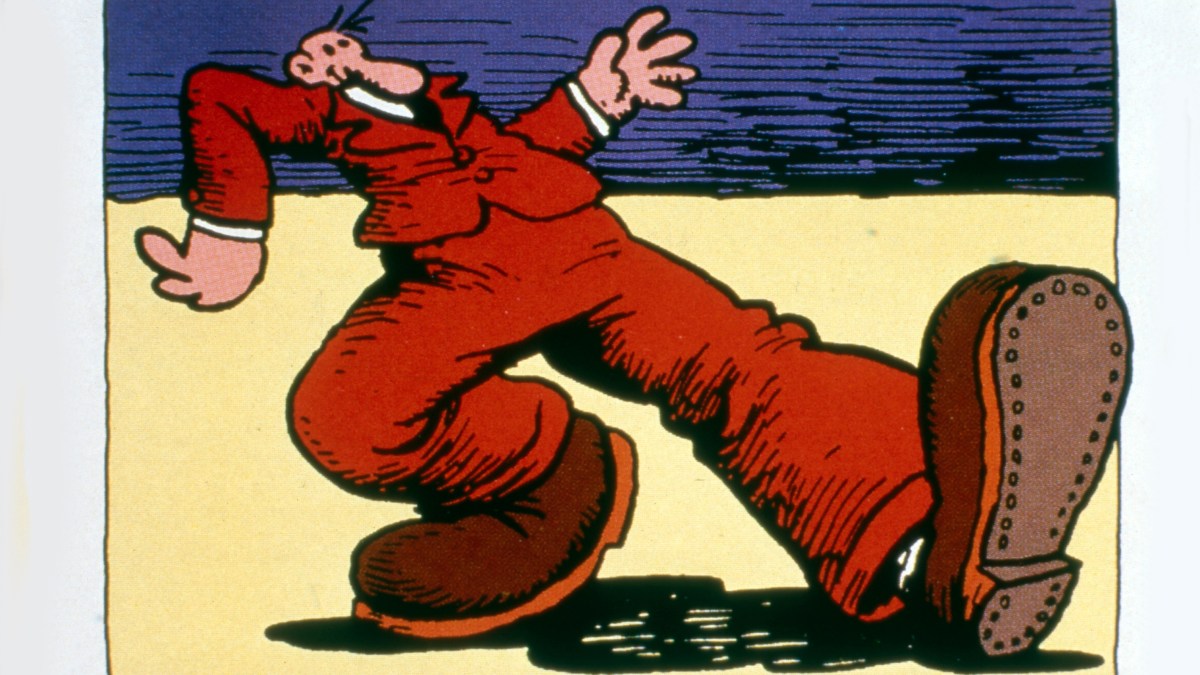
For quite some time, Crumb gained recognition outside the underground scene for his iconic illustration of the cover for the Big Brother and the Holding Company/Janis Joplin album Cheap Thrills. You know the one—those elongated, stoned figures backed by the ever-inspiring slogan “Keep on Truckin’,” found plastered on dorm-room walls and the back of eighteen-wheelers. But that was merely the frosting on the cake; his real work flourished as the lighthouse of the underground comics movement in the Sixties and Seventies. He was also the mastermind behind Zap Comix—the comic that was basically giving the finger to mainstream norms before it was cool.
Crumb unleashed onto the world a bizarre cavalcade of LSD-infused, absurdist characters. Picture Mr. Natural, the Snoid, Angelfood McSpade, Fritz the Cat, and his own most perplexing creation, R Crumb himself—a lanky ectomorph festooned with milk-bottle glasses and a never-ending list of neuroses. His art, instantly recognizable for its hatching style, is like watching a cartoonish mental breakdown unfold in slow motion.
Crumb drew inspiration from the likes of Harvey Kurtzman, the mad genius behind Mad Magazine, and Carl Barks, the “good duck artist” who created Donald Duck comics while keeping his name under wraps. Yet, ironically, everyone has learned from Crumb. No Crumb? No Art Spiegelman, no Chris Ware, no Joe Sacco, no Daniel Clowes—essentially, we’d be living in a comic-less dystopia. As Spiegelman, the Pulitzer Prize-winning author of Maus, eloquently puts it, “Every cartoonist has to pass through Crumb. It’s like the accelerated evolution scene in *2001: A Space Odyssey*—you have to pass through him to discover your own voice.” Talk about a rite of passage!
Despite being a Sixties counterculture icon, Crumb is anything but a cliché. His nostalgia is palpable—he’s been hoarding old 78rpm shellac records like a dragon hoards gold. Let’s be real: his comics are often a throwback to the 19th and early 20th centuries. Although his political views are broadly anticorporate, he focuses primarily on an autopsy of his own psyche, proving that he’s not merely a product of the era but also a harbinger of inner turmoil.
Brought into this world in 1943 to a not-so-ideal family in Philadelphia, Crumb’s upbringing could be the plot of a psychological thriller. His family tree is sprinkled with anger, madness, addiction, and all the juicy bits that lead to family therapy. His older brother, an early comic collaborator, fell victim to the dark spiral of mental illness and addiction, dying by suicide in 1992. That Robert managed to escape familial doom feels almost miraculous, but his rich tapestry of neuroses served as ideal fodder for his cartooning career—surprise, surprise!
Crumb is without a doubt what today’s youth would describe as #problematic. Angelfood McSpade is essentially a caricature wearing a “darky” costume, and the issues of race and gender in his work are definitely murkier than a muddy puddle. Rape is sometimes the punchline in his earlier pieces, and a highlight of his 1968 edition of Snatch featured the terribly inappropriate “Jail Bait of the Month,” showcasing a 13-year-old. Crumb and his biographer claim they’re merely reflecting societal issues; after all, he’s not the one who invented them—he just had the unfortunate knack for bringing them to light.
