
Meet Robert Crumb—or “R Crumb,” as he flamboyantly signs his art. A titan among cartoonists and a certified oddball, Crumb’s life story is dished out with meticulous detail in Dan Nadel’s biography. Spoiler alert: prepare for quirky twists and colorful anecdotes!
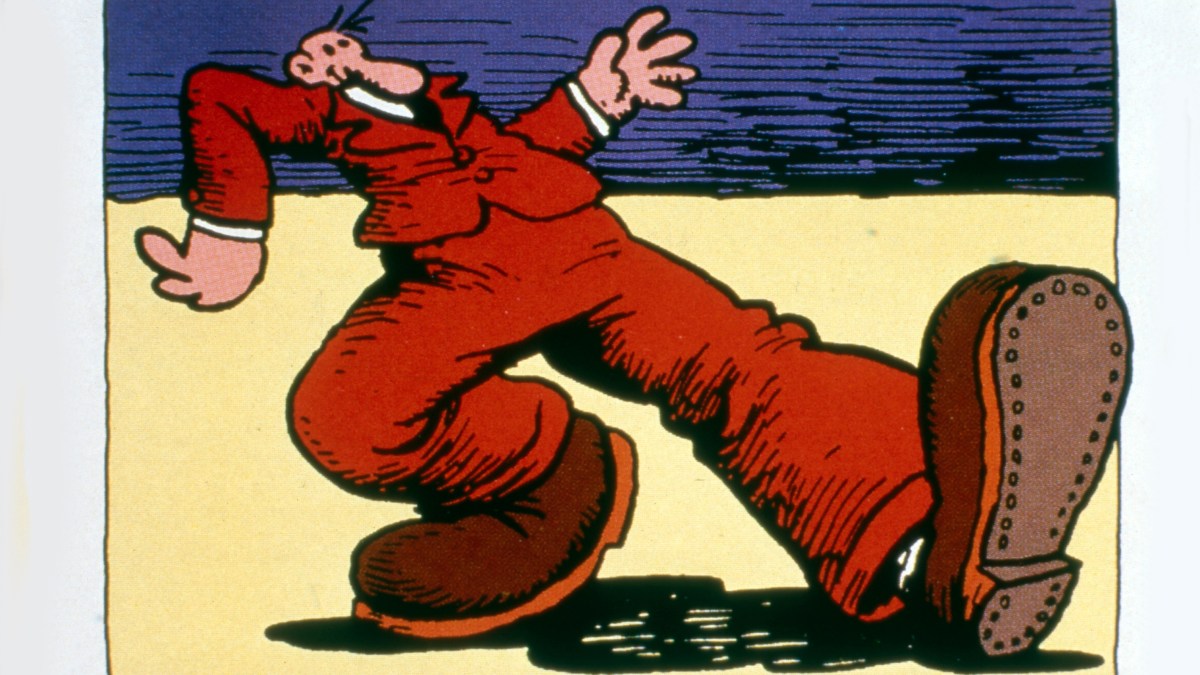
In the grand scheme of popular culture, Crumb was once mainly recognized for his iconic illustration on the cover of the Big Brother and the Holding Company/Janis Joplin album Cheap Thrills, along with those delightfully elongated, stoned figures that graced dorm-room posters and muddy truck flaps alike. However, calling him merely an album cover artist is akin to calling Picasso a guy who dabbled with paint on weekends. Deep into the 1960s and 70s, he was the torchbearer of underground comics and the mastermind behind Zap Comix—think of him as the Gandalf of cartooning, but with more neuroses and a penchant for the absurd.
Crumb’s characters are a veritable circus of LSD-induced oddities, each brought to life through his unmistakable hatching technique. Who could forget Mr. Natural or Fritz the Cat? Not to mention his truest and most confounding creation: R Crumb himself—a lanky figure with milk-bottle specs, bursting with secrets, insecurities, and a whole lot of angst. If this sounds like a recipe for self-analysis… well, let’s just say he’s the poster child for an existential crisis.
He learned the ropes from titans like Harvey Kurtzman, the anarchist mad genius behind Mad Magazine, and Carl Barks, the duck artist who wasn’t just good—he was “the good duck artist.” But let’s be frank: without Crumb, we might still be living in a cartooning cave. Nadel makes a compelling argument that no Crumb means no Art Spiegelman, no Chris Ware, no Joe Sacco, and essentially no modern cartooning renaissance at all. Spiegelman himself put it better: “Every cartoonist has to pass through Crumb. It’s like that evolution scene in 2001: A Space Odyssey—you had to go through him to find out who you might become.”
While he may have been an emblem of the Sixties counterculture, Crumb was also decidedly anachronistic, a fact reflected in his peculiar hobby—hoarding old 78rpm records like a dragon hoards gold. His art channels the vibes of the 19th and early 20th centuries, all while his politics are typically anti-corporate but paled in comparison to his relentless self-examination. Sorry, world; self-awareness isn’t a luxury Crumb can afford.
Born in 1943 into a tumultuous Philadelphia family, Crumb’s upbringing was a cocktail of chaos—including familial dysfunction, madness, and even a dash of incest (cheers!). His beloved older brother, who once shared Crumb’s early comic dreams, tragically succumbed to mental illness and substance abuse, leaving quite the legacy. It’s a miracle Crumb himself didn’t end up in the same boat of despair, though it’s no surprise that his neuroses fueled his cartooning endeavors.
Let’s get real: Crumb is what the kids today would call “problematic.” Characters like Angelfood McSpade are essentially hyper-erotic caricatures, tackling racial and sexual politics with all the subtlety of a sledgehammer. Early comics frequently tiptoe around the theme of consent, with titles like “Jail Bait of the Month, featuring Honey Bunch Kaminski, age 13.” His defense? That he’s merely holding a mirror to society’s nastier side—convenient, isn’t it?
Crumb’s reflections may be crass, but they unveil the man’s distinct take on himself—his desires, likes, and prejudices—all splashed across the page. One particularly telling panel shows Crumb shrinking under a woman’s fiery critique of his “chauvinist pig” persona while he mentally mulls over a dialogue of “BITCHES” and “I’ll be good, I promise!” Talk about a crisis of conscience!
In the spring of his artistic life, Crumb experienced an embarrassing amount of sexual escapades without even being #MeToo-ed. His first marriage? Frayed at the seams, naturally. Luckily, he salvaged his romantic life with Aline Kominsky, a partnership characterized by love, art, and a shocking lack of monogamy.
As the counterculture took a nosedive in the mid-70s, Crumb found himself floundering—a bit like a cartoon fish out of water. He toyed with realism and eventually teamed with Harvey Pekar for the bitterly ironic series, American Splendor. When punks decided he was a “tired-out cartoonist,” Crumb took a bold swing by “killing off” Mr. Natural, proclaiming in a fit of melodrama that “nobody likes me anymore.” Well, at least he wasn’t getting ghosted like the rest of us.
Decades later, Crumb’s art is experiencing a renaissance in the collector’s market, though this late-career financial windfall was never his prime motivator. He famously passed on the opportunity for a $20,000 pay day for a line of Mr. Natural toys, citing his distaste for commercialism. “A child in matters of money” would be an understatement; he once found himself broke, all while refusing lucrative offers like one from Saturday Night Live. If only we could all have such principles—or dodgy choices.
Nadel’s biography may reveal a sesquipedalian dive into the world of comics—complete with print runs, sales figures, and more trivia than any casual reader needs—but at least it doesn’t shy away from the chaotic human experience that is Robert Crumb. Now holed up in rural France, artistically reclusive and undoubtedly living his best life, Crumb is still the fascinating enigma that keeps us at the edge of our seats—like watching a train wreck but with a sketchbook in hand.
In summary, “Crumb: A Cartoonist’s Life” by Dan Nadel is your guide to this complex character’s tumultuous journey through art and existence. Who knew one man could embody so much weirdness and brilliance? Too many characters, not enough pages!
