
Who is Robert Crumb? Ah, Robert Crumb—or as he whimsically scribbles, “R Crumb”—is not your average cartoonist; he’s a modern-day Da Vinci with a penchant for the peculiar. Dan Nadel’s meticulously crafted biography serves as your all-access pass to both the artistry and the eccentricity of this towering figure in the world of underground comics.
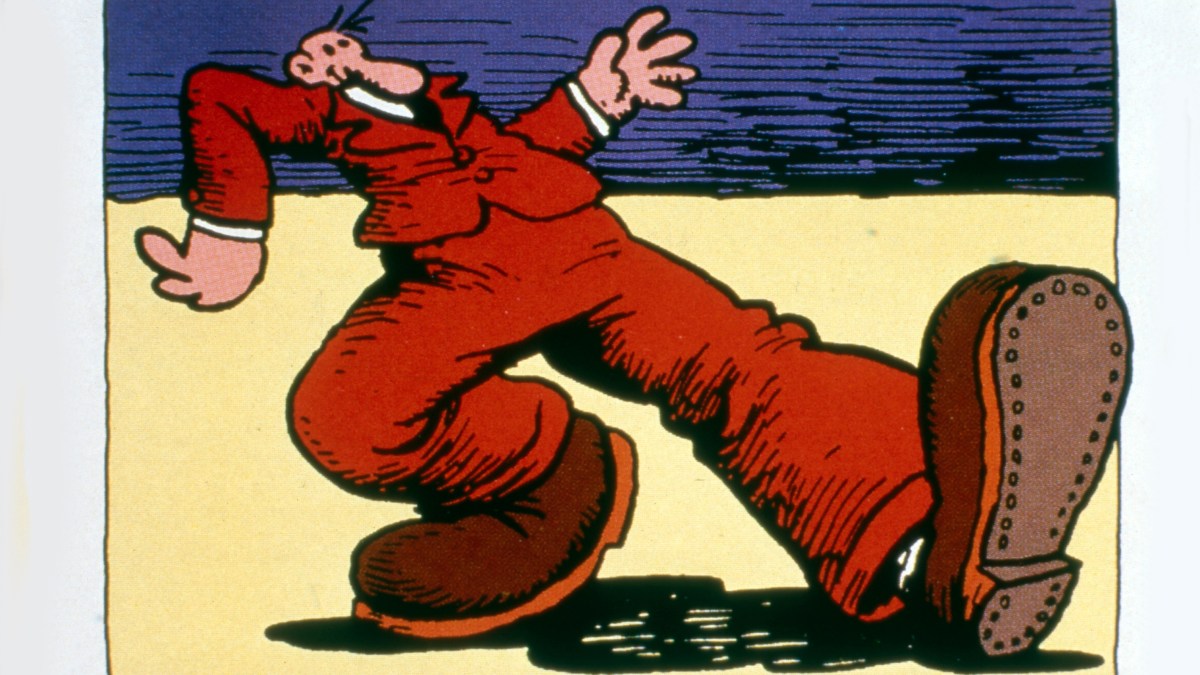
The Iconic Cover and Beyond For a long while, Crumb’s claim to fame in the mainstream realm was his infamous illustration on the cover of the Big Brother and the Holding Company and Janis Joplin’s album, Cheap Thrills. You know the one—those hilariously elongated, slightly dazed figures championing the slogan “Keep on Truckin’.” But this was merely a delicious appetizer before diving into a full-course meal of bizarre characters and surreal storytelling that defined the Sixties and Seventies underground comic scene with Zap Comix.
A Cast of Absurd Characters Crumb introduced us to a whole cast of delightfully deranged characters, each more absurd than the last, wrapped in his instantly recognizable hatching. Think of Mr. Natural, the Snoid, Angelfood McSpade, Fritz the Cat, and the increasingly complicated self-insertion of none other than R Crumb himself—a tall, wiry figure with milk-bottle glasses, simmering with a cocktail of anxieties and neuroses. Just what we needed, right?
Lessons from the Masters Who schooled this master of the bizarre? Crumb took notes from legends like Harvey Kurtzman—the anarchic genius behind Mad—and Carl Barks, aka the “good duck artist,” because let’s be honest, who doesn’t love a good quack? As Nadel notes, no Crumb = no Art Spiegelman, no Joe Sacco, and certainly no Daniel Clowes. Spiegelman himself summarized it perfectly: every cartoonist must somehow fight their way through the Crumb jungle before discovering their own unique voice. Hopefully with fewer dungeons and fewer puns. But who doesn’t love a good pun?
The Counterculture Chronicle Crumb may have been celebrated as an icon of Sixties counterculture, yet his worldview often turned the lens back on himself with startling intimacy. He’s not just critiquing society; he’s dissecting his own convoluted psyche. Born into a family tree resembling a Shakespearean tragedy—complete with angst, madness, and addiction—Crumb managed to emerge from the chaos with his artistic identity intact and perhaps an utterly bizarre perspective on life. Is he a miracle or an anomaly? Hard to say.
More Than Just a Comic Artist Now, let’s talk about the elephant in the room: Crumb’s work is undeniably #problematic. His characters like Angelfood McSpade serve as caricatures of a bygone era; it’s like stepping into an ironic time capsule where racial and sexual politics tangle in a discomfiting mess. It’s almost like he’s holding up a mirror to society, warts and all; a reflection many of us might not want to face. Who knew being “honest” could come at such a steep social cost?
The Culmination of a Career As the pendulum of public opinion swings back, Crumb’s work began commanding serious dollars just about when he decided to step away from the spotlight. Yet the lure of money never drove him; our cartoonist was more like a child being offered candy, always turning down the big paydays just to maintain that “artist” label. Whether he was declining $20,000 for Mr. Natural stuffed toys or saying “no thanks” to the Rolling Stones, you can’t help but admire the monk-like integrity of this thoroughly un-monk-like character. Maybe it’s more of a comic book version of a hermit? Just with a lot more sexual quirks.
Now, widowed and enjoying his twilight years in rural France, Crumb seems to be at peace with his legacy. The irony, of course, is that his life might just be the most colorful comic strip he never drew. When Nadel proposed a ‘warts and all’ biography, Crumb shrugged and said, “I’m not opposed to it.” Yes, it seems even in retreat, R Crumb remains stubbornly engaging. But hey, that’s just another layer to this quirky, chaotic artist.
