

Despite her status as one of America’s foremost financial experts, Suze Orman adheres to remarkably frugal spending habits. In her words, “Do I need to be frugal? No, not really. But I love it because when you respect money, when you honor money, no matter how much money you have, then your money turns around and honors you.” Even with her wealth, Orman follows several disciplined financial practices that anyone can adopt.
Saying No to Dining Out
Orman has a strict policy when it comes to restaurant expenditures. “I really do not like to spend money to go out to eat. I don’t like it, I don’t like it. I don’t like it. It’s so much money,” she emphasizes. Although she acknowledges that there are times when dining out is unavoidable—such as being away from home—she staunchly avoids making it a regular habit, demonstrating that even the wealthy can prioritize cost-effective choices.
Long-Term Car Ownership
In contrast to the prevalent trend of frequently upgrading vehicles, Orman advocates for maximizing your investment. “Right now, I am going on the twelfth year that I have owned my car and I have no plans of getting rid of that car for years to come,” she shares. She points out the folly of upgrading cars merely to impress others, underlining the idea that true financial wisdom comes from making lasting, practical choices.
Minimalist Wardrobe and Accessories
Orman’s approach to personal accessories is refreshingly straightforward. “If you look at the jewelry that I wear, it is the same necklace that I have worn since 1994,” she reveals. Her consistency extends to her earrings and rings, which have remained unchanged for decades. Perhaps most surprising is her modest handbag collection—she owns just one purse, which dates back to 1993. This minimalist approach showcases how luxury doesn’t necessarily equate to expense.
Saving for Retirement
When it comes to retirement savings, Orman stresses the importance of selecting the right retirement account. “If you really want to not just build wealth, but keep the wealth that you build, one of the biggest mistakes you will make is opting for a retirement account that gives you a tax write-off versus a Roth retirement account, which allows you to invest with after-tax dollars,” she cautions. Understanding the nuances of different retirement accounts is essential for long-term financial security.
Emergency Savings Strategy
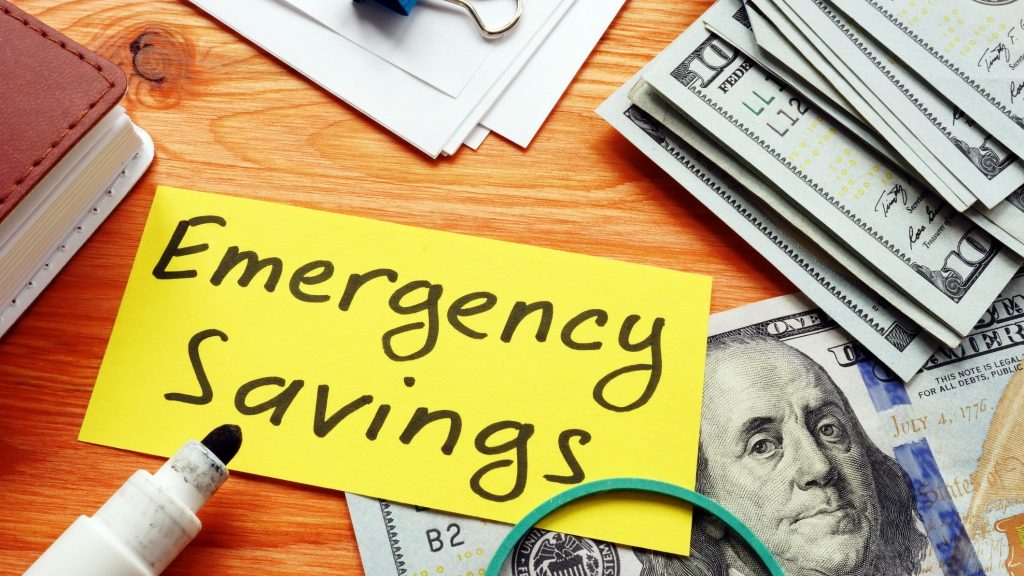
Orman’s concerns extend to emergency funds, pointing out a troubling statistic: “75% of the people in the United States do not have at least $400 in savings for an emergency.” She advises opening a dedicated savings account and contributing at least $100 each month. By the end of the year, this method can grow into a $1,200 fund, plus any interest accrued, providing a buffer in times of unexpected financial strain.
Practical Financial Takeaways
By consistently applying these frugal habits and educated financial decisions, Suze Orman exemplifies how respecting money fosters greater financial stability. Whether it’s avoiding unnecessary dining expenses, embracing long-term car ownership, or saving diligently for retirement, there are valuable lessons to learn for anyone, regardless of their income level. Making informed financial choices can pave the way for a secure and prosperous future.
This article was provided by MoneyLion.com for informational purposes only and should not be construed as financial, legal, or tax advice.
