

Kateryna Mashkevych/Shutterstock
Welcome to the wonderfully warped world of global economies, where one country thrives on a cyber-address and another strangles the economy with dairy—because nothing says sustainable growth like milk and internet domains!
For instance, picture Tuvalu, a tiny Pacific outpost with about 11,000 residents, raking in cash like a tech mogul by renting out its oh-so-coveted .tv URL. Yes, folks, while you struggle with your online identity, Tuvalu is cashing in on what the rest of us call the URL lottery.
The government struck a deal back in the ’90s when it casually discovered that “.tv” stands for television—not to be confused with the number of channels in your cable package. That initial $50 million deal has ballooned to about $10 million a year, funding everything from schools to climate projects, while the rest of the world still wonders if they’ll ever monetize their Instagram accounts.
And let’s not forget Anguilla, making a killing off its .ai domain amidst the AI gold rush, with a magic $3 million popping up monthly—basically, another vacation for the government while the rest of us are still trying to figure out if a 401(k) is a type of golf club.
Now, swing over to Djibouti, where 990,000 people are living large because they host Ethiopia’s maritime trade. It’s like being the middleman in that group project—the one who did nothing but still got a pat on the back and all the credit while the real work was done for them. But alas, ties with Ethiopia could fray, leading to economic doom via a deal with Somaliland—because who doesn’t love a little regional instability with their trade routes?
Then there’s Guyana, which decided to become the world’s fastest-growing economy thanks to oil. With growth leaping a staggering 33% last year, it’s a miracle their population hasn’t spontaneously combusted from dollars. Spoiler alert: They’re trying to avoid the resource curse by not turning into a wasteland of mismanaged funds—good luck with that!
And who could overlook Norway? While most economies stumble under the weight of their newfound wealth, Norway embraced its oil riches wisely, channeling funds into a $1.7 trillion sovereign wealth fund. Meanwhile, they’re casually championing green energy because that’s what winners do—change the game while making a profit. And yes, they’ve achieved the impossible: EVs outnumbering gasoline cars, making ‘oil-producing country’ quite the head-scratcher.
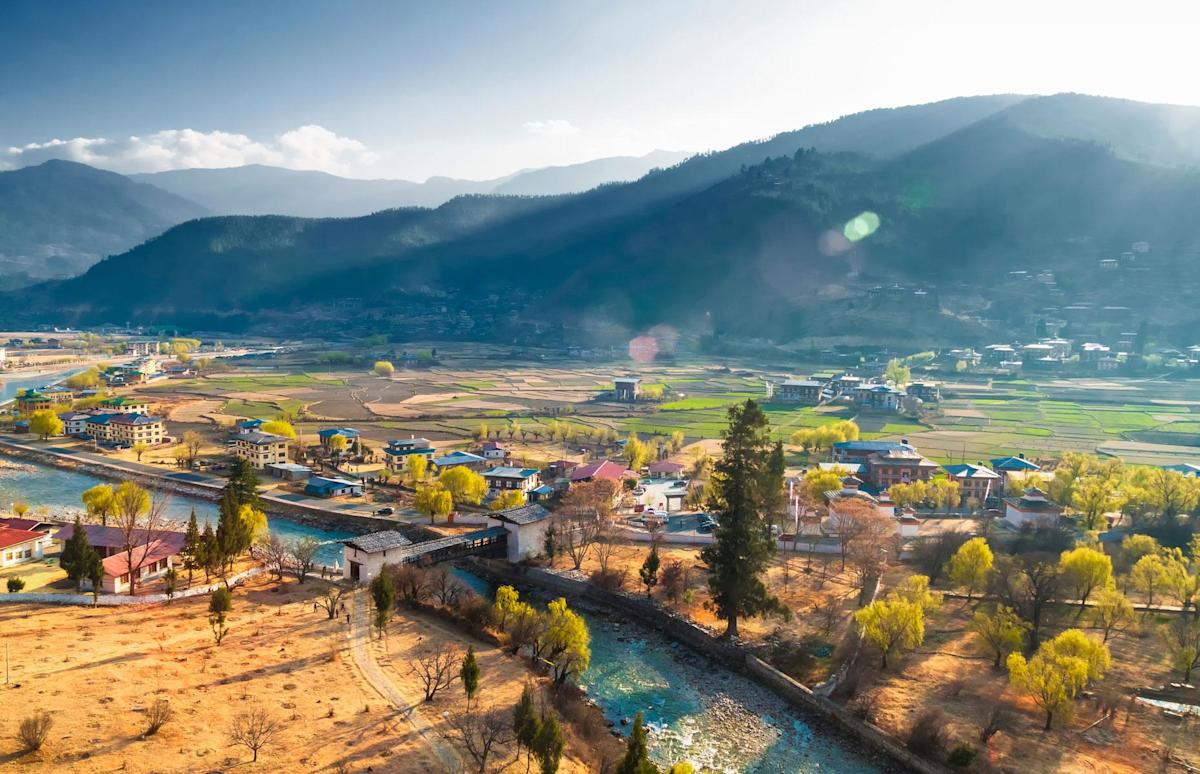
Last on our delightful money parade is Bhutan, a curious little kingdom that favors gross domestic happiness (yes, that’s a real thing) over traditional GDP numbers. Thanks to a government focused on joy instead of just profits, this carbon-negative paradise is managing to evolve without being stuck in 1971. A middle-income country now? Well played, Bhutan! Who knew happiness could be this profitable?
So there you have it—where economies don’t just rely on conventional wisdom but forge ahead with bewildering strategies that leave you wondering: Can I sell my internet history for profit too? Spoiler: probably not. But you can always try that milk business…
