

Modern Misfires: A Comedic Take on Con Artists
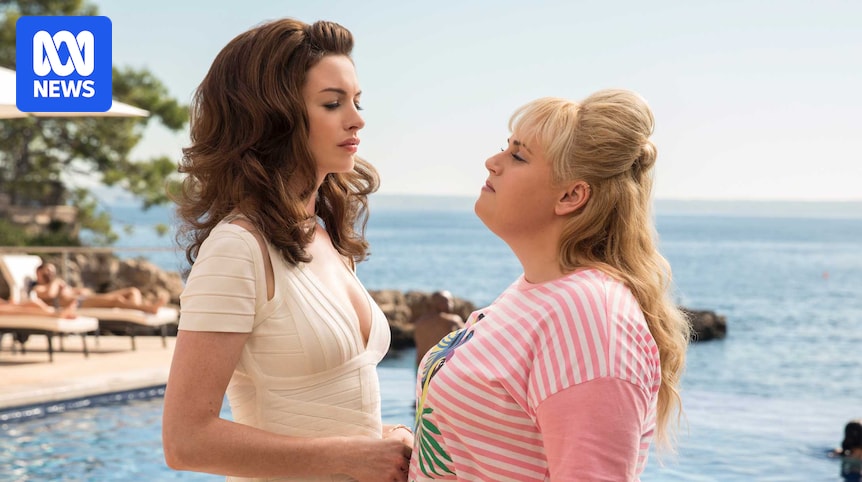
When you first lay eyes on The Hustle, a comedy featuring Rebel Wilson and Anne Hathaway, you might think it’s a fresh take on an old tale. After all, what screams “modernity” more than two women swindling rich men, right? You quickly realize it’s trying to revive the genre of con artist tales for enlightened times. If only this effort didn’t feel like putting lipstick on a pig and calling it a beauty queen.
This film rides the coattails of the recent wave of female-centric Hollywood fare, positioned as “populist feminist entertainment.” Think of it as the cinematic equivalent of taking a salad and smothering it in ranch dressing. From the dubious Ghostbusters reboot to the also-questionable Oceans 8 and Captain Marvel, it appears that Hollywood has signed a new deal: women con artists are the new black. But let’s break this down before handing out awards for originality.
The original inspirations—Bedtime Story (1964) and Dirty Rotten Scoundrels (1988)—were dripping with their own layers of gender critique. Picture this: two middle-aged men whose grandiose dreams of wealth and status rely on tricking women. But in the grand twist of gender roles, shifting the protagonists to women strips away the satire like a bad paint job. Suddenly, what was a biting commentary on masculinity has become a light-hearted romp that can’t quite commit to being outrageous.
In this update, we’ve traded two incompetent crooks for a pair of gold diggers. Rebel and Anne, now portrayed as brilliant masterminds, cloak themselves in moral justifications. Hathaway’s character, Josephine, feeds us inspirational drivel about her ‘revenge’ on dastardly men, much like a spoiled child justifying a tantrum. Meanwhile, Wilson’s Lonnie gets a tragic backstory, painting her as the lovable misfit who just can’t keep up with traditional beauty standards. How noble!
What this actually tells us is that being justified in your roguery makes you a tad dull, lacking the flavorful spice that makes con artists so interesting. Remember how engaging the men were in the previous iterations? Those primal traits of laziness, vanity, and greed were oh-so relatable. Now, we have two characters vying for sympathy, leading to the narrative quicksand of “who cares?”
The story follows the age-old plotline of two rival cons in a fictitious Riviera paradise, Beaumont-sur-Mer. These two women briefly team up to take down an unsuspecting tech billionaire. But perhaps the most painful irony is how the whole escapade falls flat. Their chemistry? Non-existent. Annie’s attempt at the sultry vixen is about as enticing as a soggy sandwich, while Rebel’s slapstick falls woefully short of the like of Melissa McCarthy.
The film’s attempt at emotional depth is akin to shouting into a void: merely annotations of authenticity rather than genuine emotional resonance. It tries to tug at heartstrings, but all viewers feel is the awkward silence of the forced sentiment. The script—oh, the script!—is as fresh as yesterday’s newspaper, as it juggles poorly executed gags instead of clever punchlines. The original films managed to radiate humor through sharp wit; here, we have pratfalls and eye-rolls galore.
It’s tragic, really. Great films about women con artists exist, thumbed through the annals of cinematic history. The insightful 1956 comedy Lucky to Be a Woman brings forth clever critiques with laughter. Yet The Hustle offers little beyond clichés and tepid commentary. If this film wanted to keep its head above water, it should have dug deeper into its characters’ flaws. Ironically, by trying to pamper the protagonists, it forgets the true beat of good satire—laughter at our expense. Of course, the original films had no issue lampooning the men, so why not let a little wickedness linger?
