
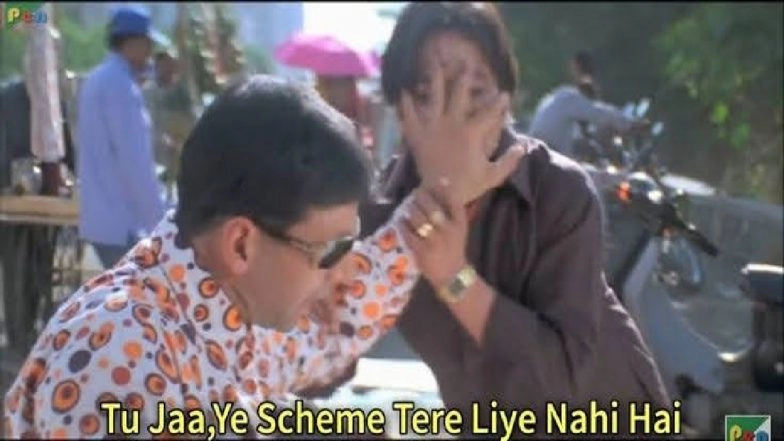
New Delhi, February 1: In the grand theatre that is Indian finance, Finance Minister Nirmala Sitharaman stood center stage on Sunday, with her Union Budget 2026 presentation drawing more skeptical applause than a badly tuned sitar. Almost immediately, social media platforms transformed into a digital coliseum, where taxpayers and retail traders threw memes instead of tomatoes, hoping to capture the absurdity of the fiscal updates.
The hot topic? A perceived lack of relief for the middle class coupled with new tax hikes that would make even a seasoned monk question his patience. It almost feels like the Finance Ministry is playing a game of ‘Hot Potato’ and right now, the middle class is holding the potato—burning hot and with no relief in sight.
The Wealthy vs. The Rest
As the Finance Minister rattled off her new fiscal roadmap, the online response boiled down to a universal truth: the “middle-class struggle” remains a heavy anchor weighing down the ship. With no significant changes to income tax slabs, many took to their keyboards to express the universally shared sentiment of, “Thanks for nothing!”
Meme Central: Where Checkbooks Go to Die
One particular meme showcased a scene from the popular web series Panchayat, as villagers humorously begged for funds—because why not ask villagers who have long grown accustomed to fiscal droughts? Another viral moment featured a clip from the infamous game show *Kaun Banega Crorepati*, where Amitabh Bachchan’s iconic line, “Don’t look at me, I cannot help you,” might as well be the government’s new motto.
Market Reactions and the “4 Guna Lagaan” Phenomenon
Meanwhile, the investor community responded with a veritable meme tsunami, predominantly fixating on the hike in the Securities Transaction Tax (STT) on futures and options. Users drew comparisons to the land tax—*Lagaan*—which, in this case, almost rendered investing a historical drama in and of itself.
A split-screen meme went viral, capturing the sorrowful expressions of both intraday traders and long-term investors, captioned with poignant wisdom: “The Budget has finally made everyone equal.” Retail investors, armed with dialogue from the movie *Pushpa*, signaled it might be time to exit high-risk trading—because truly, what could go wrong with a tax hike?
Expectation vs. Reality: A Bollywood Spectacle
The “Expectation vs. Reality” trope took over social media, portraying Bollywood actors leaping in joy only to be rudely awakened by the sobering realities of Budget 2026. The dissonance was palpable—like ordering a five-star meal only to receive a sad, cold sandwich.
Beyond Taxation: A Comedy of Errors
And let’s not forget other delightful aspects of the budget that graced meme culture! Smokers shared “crying” emojis over increased cigarette duties, while others took to parodying exemptions, sarcastically thanking the government for “zero GST on lost socks.” Users even went so far as to share satirical “translation” guides to decode the technical jargon, making it accessible for anyone who isn’t fluent in Finance-ese.
A Cultural Phenomenon
In a world where financial documents are usually as exciting as a tax seminar, the Budget presentation has morphed into a cultural event worthy of its own Netflix series. Social media serves as the ultimate pressure valve, humorously releasing economic frustrations and offering collective catharsis through laughter—because, after all, one can only cry into their coffee for so long.
The trending hashtags #Budget2026 and #MiddleClass echo a distinct societal shift; financial news is no longer about droning analysis but about sharing relatable, humorous content—and that’s a win, right? Despite the banter and jokes, let’s not forget, many are still hoping for more meaningful changes that serve the everyday person and not just the finance sharks at the top.
(The above story first appeared on LatestLY on Feb 01, 2026 06:43 PM IST. For more amusing insights into politics, world events, sports, or lifestyle, drop by our website latestly.com).
