

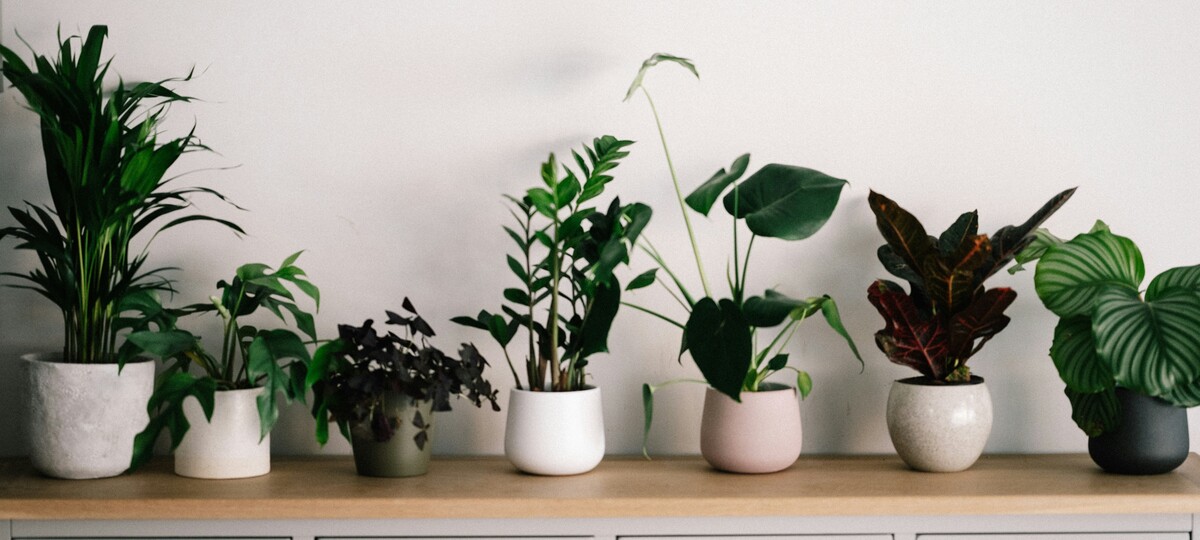
The Benefits of Houseplants for Your Home and Health
Initially, I considered houseplants as mere decorative items—expensive dust collectors to be precise. However, my perspective shifted after I purchased a pothos, neglected it considerably, yet watched it thrive. This experience illuminated the realization that these green companions might be offering more benefits than I had previously recognized.
Scientific Support for Indoor Plants
Research shows that indoor plants aren’t just pretty additions to your decor; they significantly improve your well-being. From enhancing air quality to boosting mood, houseplants play an essential role in our indoor environments. While they may not provide the same level of air purification as industrial-grade filters, they do substantially contribute and uplift our spirits unlike any machine could.
Top Houseplants That Contribute to Well-Being
Here’s a list of 10 houseplants that not only look great but also benefit your home environment:
1. Snake Plant (Sansevieria Trifasciata)
This hardy plant stands tall with its rigid green leaves, earning it the nickname “mother-in-law’s tongue.” What makes the snake plant exceptional is its ability to produce oxygen at night, making it ideal for bedrooms. Plus, it helps filter out harmful toxins like benzene.
2. Spider Plant (Chlorophytum Comosum)
The spider plant is famously resilient and nearly impossible to kill. It features long striped leaves with adorable “spiderettes” that dangle playfully. Known for removing carbon monoxide and xylene, this plant also allows you to propagate new plants from its offspring, offering free gifts.
3. Aloe Vera
Aloe vera, with its thick, spiky leaves, serves as a natural first-aid kit. Its soothing gel is ideal for treating burns, cuts, or dry skin. Additionally, it helps filter indoor pollutants, making it a must-have in every home.
4. Peace Lily (Spathiphyllum)
The peace lily is recognized for its stunning white blooms and glossy foliage. Thriving in low light, it actively reduces mold spores in the air. Notably, the peace lily dramatically droops when thirsty, only to perk back up after a good drink, providing a gentle reminder to care for it.
5. Boston Fern (Nephrolepis Exaltata)
Ideal for dry winter months, the Boston fern functions as a natural humidifier, releasing moisture into the air while tackling pollutants like formaldehyde. To keep it happy, a light misting is recommended.
6. Lavender (Lavandula Angustifolia)
Yes, you can cultivate lavender indoors—just ensure it gets enough sunlight! The aromatic scent of lavender is known to reduce stress and improve sleep quality. Dried flowers can even be used to create delightful sachets for drawer freshening.
7. Pothos (Epipremnum Aureum)
With its heart-shaped leaves, pothos is perfect for plant novices. It’s forgiving when it comes to watering and can easily grow roots in water. This plant not only filters toxins but also enhances the aesthetic appeal of your space.
Additional Houseplants Worth Considering
Other noteworthy plants include rosemary, which is known for enhancing concentration and offers fresh culinary herbs, English ivy that reduces mold and dander, and ZZ plant, celebrated for its resilience in low-light areas. These plants not only beautify your indoor space but also elevate your living environment significantly.
Cost-Effective Greenery
One of the best aspects of houseplants is their affordability. You don’t need to break the bank on plants. Grocery stores, local hardware stores, and community swaps often have these greens at reasonable prices. Investing in a $10 pothos or spider plant can yield years of returns while also saving you from impulsive purchases like overpriced candles.
Conclusion: Embrace the Greenery
If you’ve ever thought, “I can’t keep a plant alive,” consider choosing easier options like the pothos, snake plant, or spider plant. Worst case scenario, you’ve spent a small sum; best case, you’ve gained a delightful green companion that enhances air quality and brings a sense of harmony to your home.
For more practical tips on frugal living, feel free to explore EverydayCheapskate.com/houseplants for a wealth of resources. I invite your questions and comments at Ask Mary.
Photo credit: Annie Spratt at Unsplash
