
27 May 2025, 13:58 | Updated: 27 May 2025, 15:14
Picture: Alamy/Getty

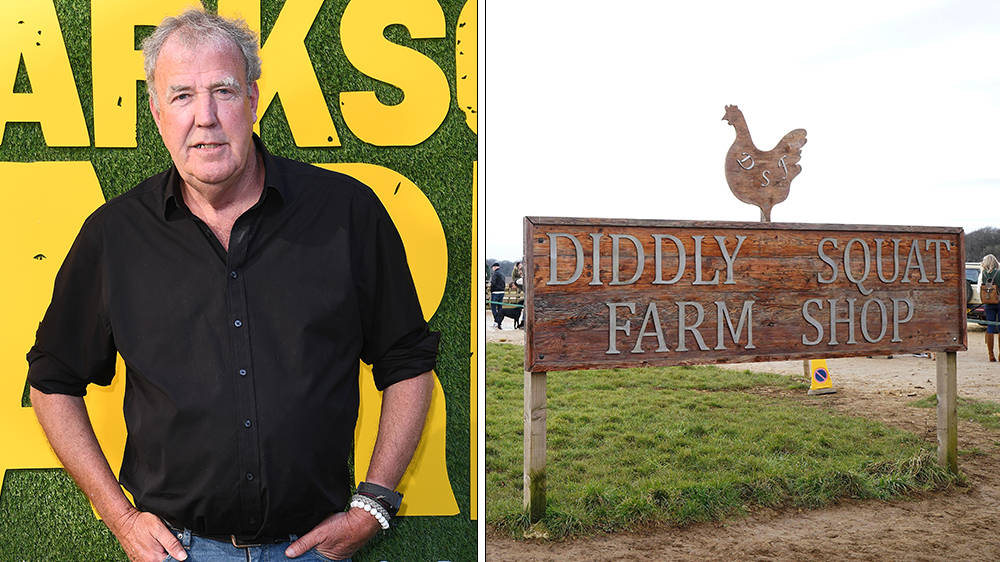
Curious about how much Jeremy Clarkson forked out for his very own slice of agricultural mayhem? Spoiler alert: it was more than your last holiday and probably more than your house too. Welcome to Diddly Squat Farm!
Ah, Clarkson’s Farm. The Amazon Prime sensation that brought us more awkward farming incidents than actual farming tips. Who knew buying a farm would involve more calamities than a modern-day sitcom? From tractor disasters to questionable crop decisions, Clarkson’s enlightening saga has kept us all glued to our screens.
And let’s not forget the cast! From Kaleb Cooper, who presumably knows more about farming than Jeremy ever will, to the dynamic duo of Lisa Hogan and Charlie Ireland—who could co-star in a reality show called “Farming: Expectation vs. Reality.” Add in Gerald Cooper and the fresh face of Harriet Cowan, and you’ve got a group that could rival a dysfunctional family reunion.
But let’s talk turkey… or rather, how much Jeremy spent on his agricultural misadventure. Spoiler alert: it was a whopping £6 million in 2008, a price tag that could make even the wealthiest reality star weep. Apparently, that’s the going rate for a 1,000-acre playground that turns into a farm where you end up making less than a Netflix intern.

Picture: Alamy
A Pricey Pasture: What Did Diddly Squat Really Cost?
Fast forward from 2008, and Diddly Squat is reportedly worth around £12.5 million today. Yes, you read that right—£12.5 million! Not quite enough to buy a private island, but it definitely outpaces most houses in the Cotswolds. If the cows could talk, they’d probably lease the farm out as a luxury Airbnb.
How Much Did Clarkson Make? Spoiler: Not Much
In the first season, the financial returns from Diddly Squat were about as uplifting as a flat tire: just £144, after a year of grueling work. He might as well have been paid in sarcasm for all the good that did him. However, things took an entrepreneurial turn with the opening of the Diddly Squat Farm Shop, adding that extra revenue stream that many farmers dream of but few achieve—mostly due to common sense.

Picture: Alamy
Despite his cheeky grumbles about profit margins, Clarkson casually remarked, “I could sell the farm and earn far more from the interest than I do from growing bread and beer and vegetable oil.” Because farming is obviously about turning soil, not profits, right?
Ultimately, the business blossomed in unexpected ways. Within a year, the farm transformed from a few hundred assets and a couple of employees into a sizeable operation boasting figures that would impress even the most jaded accountant. Somehow, Clarkson managed to turn a Diddly Squat investment into what might appear less “farming” and more “farming for profit.” Talk about watering your financial garden!
