

The Financial Struggle: Navigating Tough Economic Times
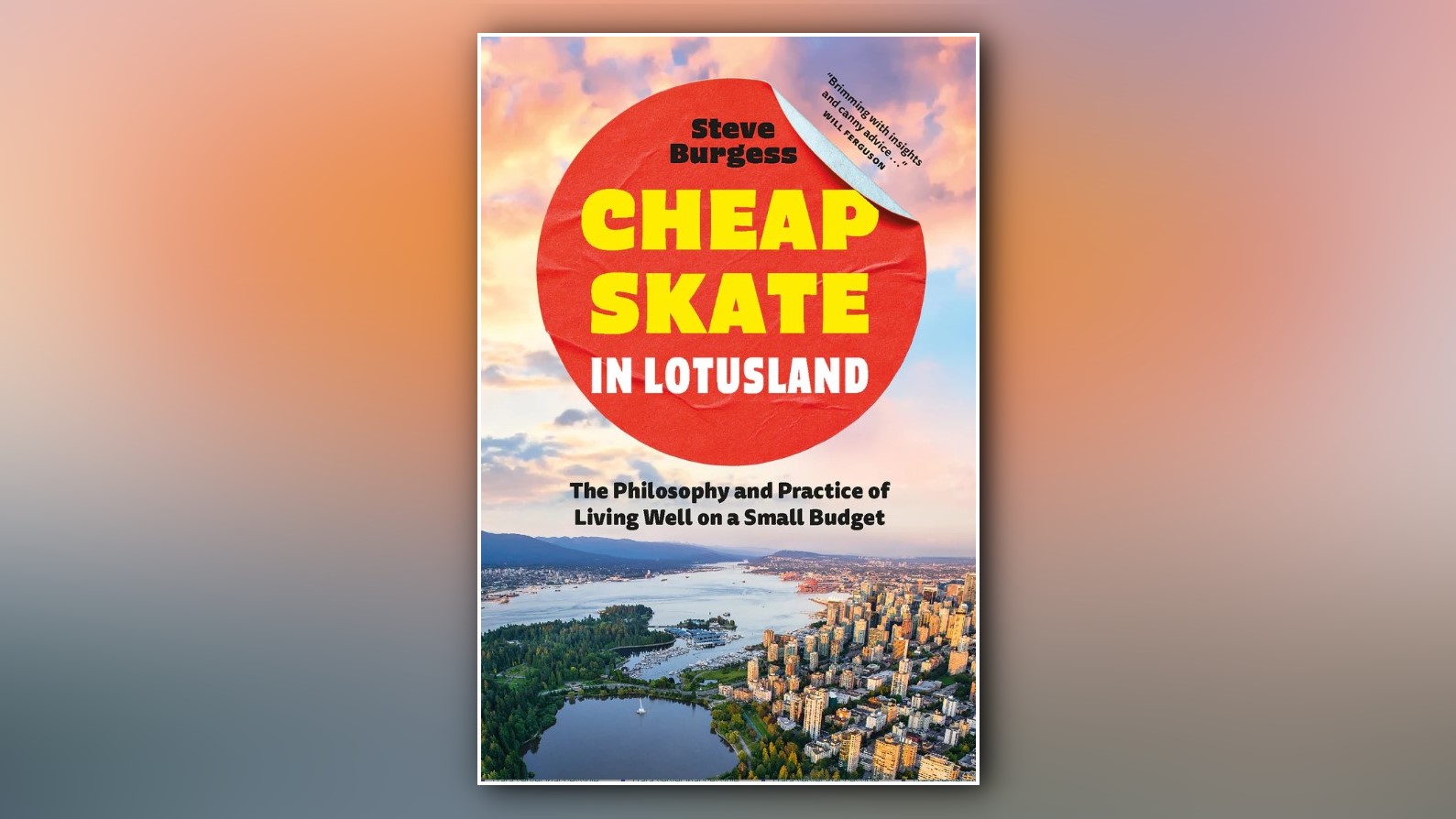
Making ends meet has become increasingly challenging due to the ongoing affordability and housing crises, coupled with the uncertainty surrounding international tariffs. In response to these pressing issues, a new book titled Cheapskate in Lotusland: The Philosophy and Practice of Living Well on a Small Budget emerges as a timely resource from Vancouver-based writer Steve Burgess.
Meet the Author: A Journey into Frugality
Steve Burgess is no stranger to the art of frugality. “Before I became a freelance writer, I was always a notorious cheapskate,” he admits. His tightwad tendencies grew stronger when he transitioned to freelance journalism in a city renowned for its high cost of living, Vancouver. “Finding moldy cheese and negotiating a discount is key to thriving as a freelancer,” he humorously notes.
A Veteran in Media: Expertise in Frugal Living
With a robust background in Vancouver’s radio, TV, and print media, Burgess is currently a contributing editor at The Tyee. Despite facing the financial constraints of a modest income, he has successfully navigated life in one of Canada’s priciest cities for decades. Cheapskate in Lotusland distills his lifetime of penny-pinching wisdom and expert insight into a comprehensive guide.
Understanding Consumer Behavior: The Different Types of Consumers
Burgess underscores that writing this book was an educational journey. He credits valuable insights from Dr. Maren Ingrid Kropfeld, a German researcher who categorizes consumers into four types: spendthrifts, frugals, tightwads, and voluntary simplifiers. “I’m a tightwad. Spending money causes me physical pain,” he reveals, illustrating the psychology behind his frugal mindset.
Aligning Savings with Environmentalism
If your frugality extends beyond financial savings to environmental consciousness, Burgess suggests you might be a voluntary simplifier. “Frugality aligns excellently with environmentalism, as waste is a colossal issue today. Reducing consumption can significantly lower one’s carbon footprint,” he points out.
Finding Value in Unlikely Places: A Love for Free Stuff
In his book, Burgess shares amusing anecdotes about his love for scavenging free items—from a microwave salvaged from an alley to a smart TV gifted by friends. One of the standout tales involves a pair of boxer shorts found on Point Grey Road. “They appeared clean and were my size. After a proper wash, they became part of my regular wardrobe,” he laughs, demonstrating how frugality can take unexpected turns.
Encouraging Conscious Consumption
While Cheapskate in Lotusland is rife with wit, Burgess ultimately aims to provoke deeper reflection on consumer habits. “I was astonished by the level of waste in our society. Organizations like Second Harvest highlight the staggering amount of food waste that could feed entire communities,” he emphasizes.
Practical Tips for Frugal Living
For those looking to reshape their shopping habits, Burgess shares crucial advice. “Identify your priorities and focus your spending there,” he encourages. Reflecting on what is genuinely important helps prevent wasteful expenditures. “Conscious consumption is vital—consider your purchases and their impact on your life,” he concludes.
Cheapskate in Lotusland: The Philosophy and Practice of Living Well on a Small Budget, published by Douglas & McIntyre, stands as an engaging and insightful guide for navigating today’s economic landscape through the lens of frugality.
